
Commodity markets 2026 outlook
Navigating commodity markets in 2026 requires distinguishing between structural shifts and temporary noise. Investors must anchor decisions in concrete supply constraints and demand realities rather than speculative trends.
Energy price forecast and supply shifts
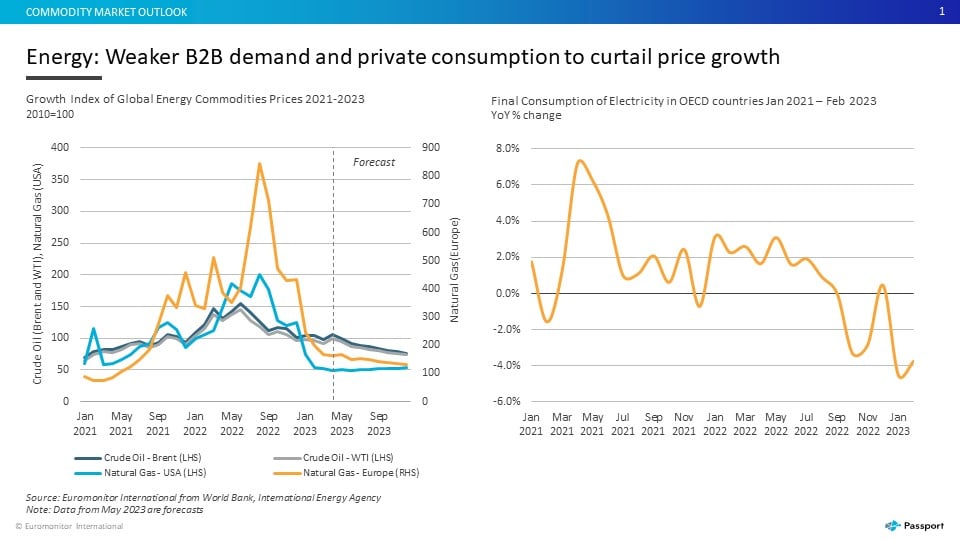
Energy markets remain the most volatile sector, driven by OPEC+ production discipline and rising non-OPEC supply from the US and Guyana. The International Energy Agency (IEA) projects a gradual tightening in refined product markets as global transport demand recovers unevenly across regions.
Natural gas prices are heavily influenced by regional infrastructure bottlenecks and weather variability. In Europe, LNG import capacity has expanded, reducing reliance on pipeline gas, while Asia remains sensitive to spot price fluctuations. Traders should monitor storage levels closely, as winter demand spikes can cause rapid price dislocations.
Critical minerals trends and demand
The transition to renewable energy and electric vehicles continues to drive demand for critical minerals like lithium, cobalt, and nickel. However, supply chain diversification efforts by Western governments are accelerating, leading to new mining projects in Australia, Canada, and Africa.
Price volatility in these markets is exacerbated by processing bottlenecks, particularly in China, which dominates refining capacity. Investors should watch for policy interventions aimed at securing domestic supply chains, as these can create arbitrage opportunities and long-term price floors.
| Factor | What to check | Why it matters |
|---|---|---|
| Fit | Match the option to the primary use case. | A good deal still fails if it does not fit the job. |
| Condition | Verify age, wear, and service history. | Hidden condition issues erase upfront savings. |
| Cost | Compare purchase price with likely upkeep. | The cheapest option is not always the lowest-cost option. |
Geopolitical risks and trade routes
The 2026 commodity landscape is defined by a convergence of currency volatility and geopolitical friction. According to CME Group, investors are navigating a "complex web" of shifting supply chains and economic tensions that are reshaping market dynamics. This environment creates a high-stakes scenario where traditional hedging strategies face unprecedented tests.
Trade route disruptions remain the primary physical risk. Industry analysts describe the current situation as a "perfect storm," citing specific chokepoints like the Red Sea and the Strait of Hormuz. These arteries carry a significant portion of global energy and grain shipments; any escalation here immediately inflates freight costs and delays delivery, squeezing margins for traders and manufacturers alike.
Currency fluctuations compound these physical risks. As the US dollar and major reserve currencies react to divergent central bank policies, commodity pricing becomes increasingly erratic for non-dollar buyers. This dual pressure—geopolitical supply shocks and monetary instability—requires traders to maintain agile positions and robust risk management frameworks throughout the year.
Investment checklist for 2026
Effective commodity investing in 2026 demands rigorous due diligence. Focus on liquidity, storage costs, and the fundamental supply-demand balance of each asset class. Avoid over-leveraging during periods of high volatility.
-
Verify the basicsConfirm the core specs, condition, and fit before comparing extras.
-
Price the downsideLook for the repair, maintenance, or replacement cost that would change the decision.
-
Compare alternativesCheck at least two comparable options before treating one listing as the benchmark.
No comments yet. Be the first to share your thoughts!