
Get rare earth prices 2026 right
Rare earth prices in 2026 are volatile, making accurate tracking essential for hedging. Misreading a single metric can lead to significant portfolio errors. You must distinguish between spot market fluctuations and long-term contract values.
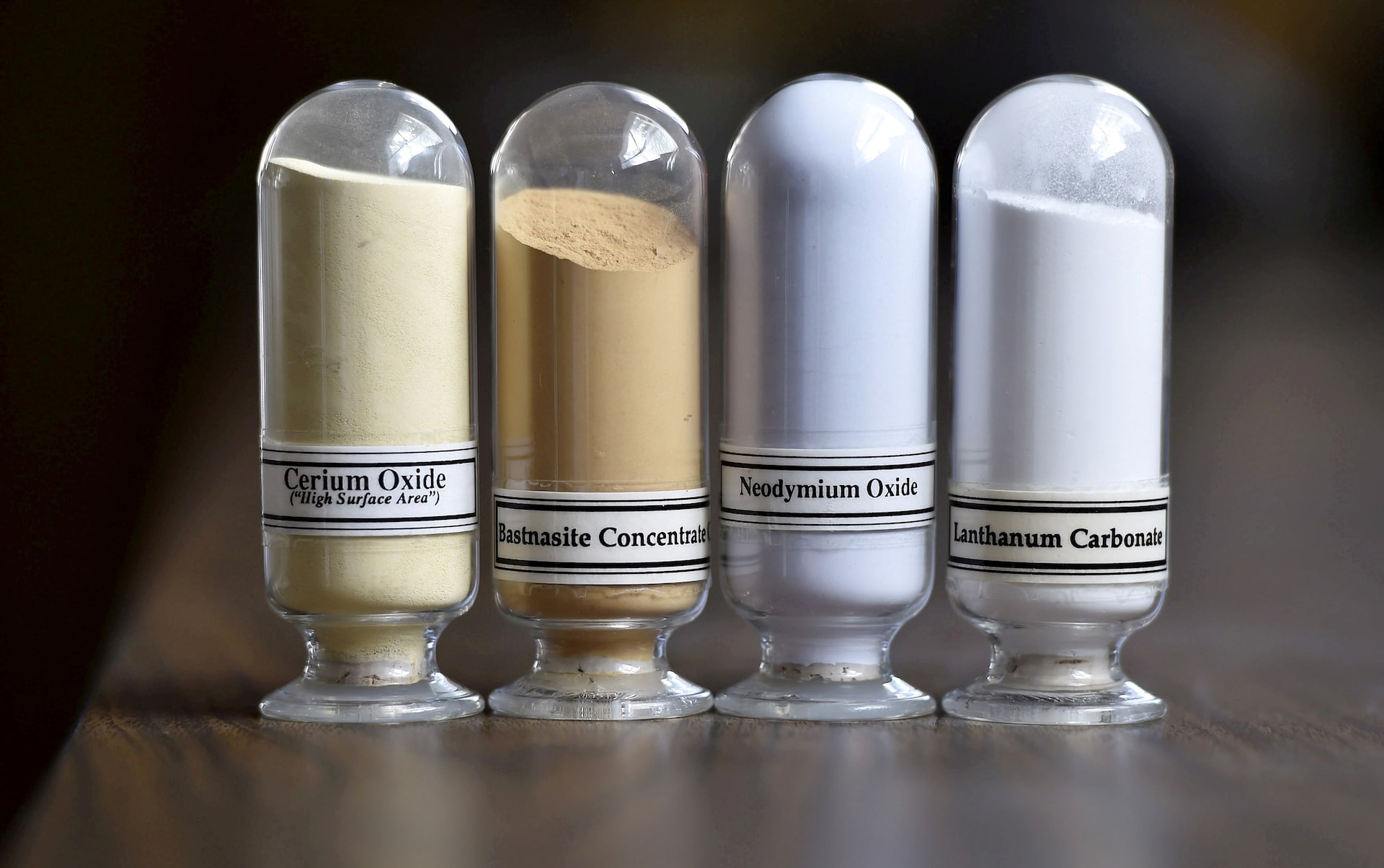
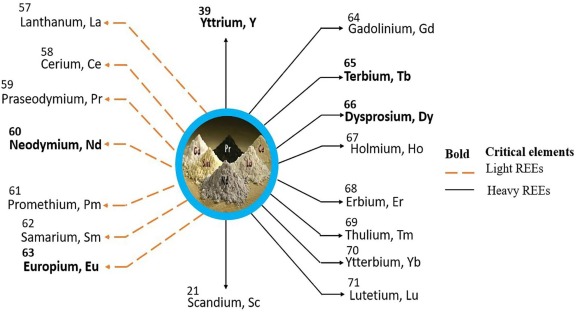
Start by identifying the specific elements relevant to your strategy. Neodymium and Praseodymium drive magnet demand, while Dysprosium and Terbium affect high-temperature performance. Prices vary significantly by purity and form. For instance, Neodymium metal trades around $245 per kg, while Dysprosium oxide can exceed $930 per kg. Always verify the unit of measurement; some sources quote per metric ton in Chinese Yuan, others per kilogram in USD.
Cross-reference multiple official sources to filter out noise. Trading Economics and Investing News provide real-time charting, but Strategic Metals Investing offers detailed breakdowns by element. If you rely on a single feed, you risk acting on delayed data or misinterpreted currency conversions. Use the Trading Economics chart for short-term trends and Strategic Metals Investing for absolute price baselines.
Finally, account for the 2026 market context. Chinese production quotas and export controls remain the primary drivers of price swings. A stable Q2 2026 does not guarantee Q3 stability. When hedging, build in a buffer for sudden regulatory announcements rather than relying solely on historical averages.
Work through the steps
The Commodity Crash works best as a clear sequence: define the constraint, compare the realistic options, test the tradeoff, and choose the path with the fewest hidden costs. That order keeps the advice usable instead of decorative. After each step, pause long enough to check whether the recommendation still fits the reader's actual situation. If it depends on perfect timing, unusual access, or a best-case budget, include a simpler fallback.

Fix common mistakes
Rare earth volatility is often mistaken for a simple supply issue, but the real risk usually stems from poor hedging mechanics. When you try to protect a portfolio against the 2026 commodity crash, avoiding these specific errors can mean the difference between stability and significant loss.
Ignoring basis risk in futures contracts
Many investors assume that buying a rare earth futures contract perfectly hedges their physical exposure. This is rarely true. The price of a futures contract often diverges from the spot price of the specific mineral you hold, especially during periods of high volatility. If you are hedging neodymium, for example, you must ensure your contract tracks that specific element rather than a general "rare earth" index, which may include stable metals like cerium that dilute your protection.
Over-leveraging on short-term price swings
The market for dysprosium and praseodymium can swing wildly in a single quarter. TradingEconomics notes that neodymium prices have fallen nearly 5% in a month while remaining significantly higher year-over-year. Reacting to these short-term blips by adding leverage or closing hedges prematurely locks in losses. A proper hedge requires a time horizon that matches your investment thesis, not the daily news cycle.
Failing to account for export controls
China dominates the rare earth supply chain, and sudden export restrictions can cause prices to spike independently of global demand. If your hedging strategy does not factor in geopolitical risk, your portfolio remains exposed to regulatory shocks. Always review the latest official export guidelines from the Ministry of Commerce of China to understand how policy shifts might impact your specific mineral exposure.
Using the wrong reference price
There is a difference between the price per kilogram and the price per tonne. Some sources list neodymium at roughly $244.90 per kg, while others cite 975,000 CNY per tonne. Mixing these units when calculating your hedge size will lead to massive errors. Always convert your exposure to a single, consistent unit before executing any trade.
Rare earth prices 2026: what to check next
Rare earth elements remain the most volatile segment of the 2026 commodity crash, driven by tight supply chains and shifting Chinese export policies. Investors often confuse short-term price spikes with long-term trends, leading to poor hedging decisions. Below are the most frequent questions about current market conditions and price trajectories.
No comments yet. Be the first to share your thoughts!