
The 2026 macro backdrop
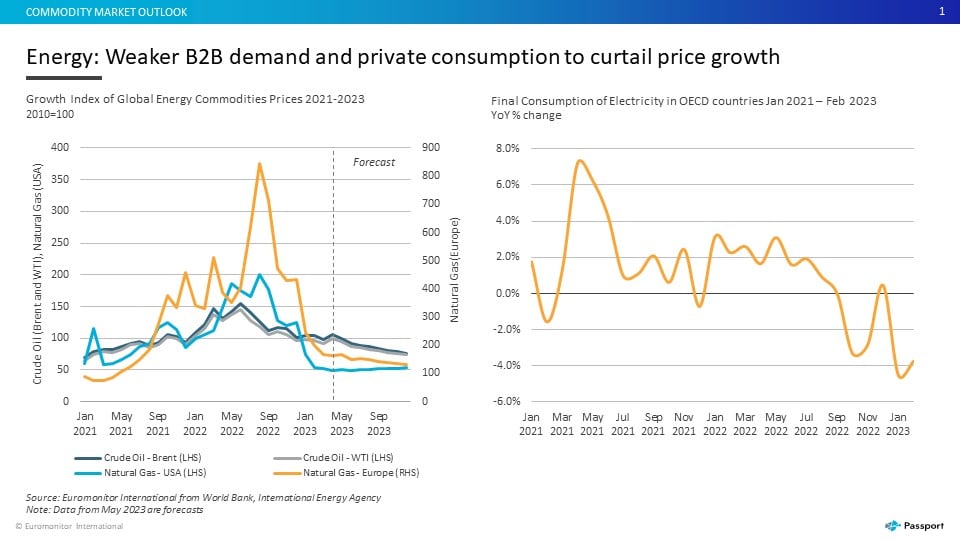
Global commodity prices are projected to decline by about 7 percent in 2026, driven largely by a cooling in energy demand and stabilizing supply chains. According to the World Bank, energy prices specifically are expected to fall by 10 percent, creating a headwind for traditional resource-heavy portfolios. This broad deflationary pressure, however, masks a more complex reality beneath the surface.
While the headline numbers point downward, the market is experiencing a sharp divergence between general price declines and structural demand shifts. The macroeconomic base case of sturdy global GDP growth, paired with anticipated Federal Reserve rate cuts, remains supportive of top-down commodity returns. Goldman Sachs notes that this environment favors assets tied to the "power race" and emerging supply waves, suggesting that not all commodities are moving in lockstep.
Investors are navigating a landscape where geopolitical risks and growth slowdown fears create volatility, yet specific sectors continue to attract capital. The divergence is clear: while bulk energy and some industrial metals face price pressure, the infrastructure required for the energy transition is driving sustained interest in critical minerals. This split demands a selective approach rather than a blanket view of the commodity complex.
The CRB Index, a broad benchmark for commodity futures, provides a visual anchor for this trend. The chart below illustrates the recent trajectory of the index, highlighting the consolidation phase that precedes the projected 2026 decline. It serves as a reminder that while the overall direction may be flat or negative, the internal composition of the index is changing rapidly.
Green energy metals drive copper demand
The energy transition is reshaping commodity demand, shifting the center of gravity from fossil fuels to the materials that power electrification. Copper and lithium have moved from niche industrial inputs to essential infrastructure components for the global grid, electric vehicles, and renewable energy storage. This structural shift creates a distinct investment thesis separate from traditional energy cycles.
Unlike oil and gas, which are consumed as fuels, transition metals are embedded in durable assets. A single electric vehicle requires nearly twice the copper of a conventional car, while a wind turbine uses significantly more than a natural gas plant. This physical intensity means demand is tied to capital expenditure and manufacturing capacity rather than daily consumption rates, creating a longer, more persistent demand curve.
The divergence is stark when comparing growth trajectories. While traditional energy commodities face headwinds from efficiency gains and peak demand forecasts, transition metals are projected to see accelerated growth through 2026 and beyond. Supply constraints in mining and processing further amplify the price potential for these specific assets.
| Commodity | Primary 2026 Use Case | Key Demand Driver | Growth Outlook |
|---|---|---|---|
| Copper | Electrification & Grid | EVs, Data Centers, Renewables | Strong Structural Growth |
| Lithium | Energy Storage | Battery Production (EVs, Grid) | High Volatility, Upward Trend |
| Coal | Power Generation | Baseload Power (Declining) | Stagnant or Declining |
| Natural Gas | Heating & Power | Transition Fuel, LNG Export | Moderate, Region-Specific |
This structural divergence suggests that portfolios tracking broad commodity indices may underexpose the specific mechanics of the energy transition. Investors focused on 2026 trends are increasingly allocating toward the physical inputs of electrification, viewing copper and lithium not just as cyclical plays, but as long-term infrastructure bets.
How AI Reshapes Supply Chain Logistics
Artificial intelligence has moved from a theoretical advantage to the central nervous system of 2026 commodity logistics. Where traditional supply chains relied on reactive fixes, AI-driven systems now predict disruptions before they impact the physical movement of goods. This shift is critical as energy traders and industrial buyers navigate a landscape defined by volatile geopolitical risks and shifting global growth patterns.
The primary value of AI in this sector lies in predictive analytics. Machine learning models ingest vast datasets—including weather patterns, port congestion metrics, and political stability indices—to forecast shortages weeks in advance. This allows logistics managers to reroute shipments dynamically, avoiding bottlenecks that previously caused days of delay. For energy commodities like LNG, which require precise timing to meet contractual obligations, these predictive capabilities reduce the risk of costly penalties and missed deliveries.
Route optimization has also become significantly more sophisticated. AI algorithms do not just find the fastest path; they calculate the most cost-effective and lowest-carbon option in real time. By balancing fuel prices, tariff implications, and carrier availability, these systems help companies mitigate the impact of sudden market shifts. This level of granularity turns supply chain management from a cost center into a strategic asset, ensuring that physical assets move efficiently even when market conditions are unstable.
The integration of AI also extends to inventory management. Instead of holding excessive safety stock, companies can maintain leaner inventories with greater confidence. By accurately predicting demand spikes and supply constraints, AI reduces the capital tied up in warehousing while ensuring product availability. This balance is essential for maintaining profitability in a high-stakes trading environment where margins are thin and volatility is high.
As commodity trading houses diversify into transition metals and oil majors pivot to new energy sources, the supply chain must be equally agile. AI provides the digital infrastructure required to support these complex, multi-commodity operations. It enables a level of visibility and control that was previously impossible, allowing firms to adapt quickly to the rapid changes defining the 2026 market landscape.
Agricultural volatility and climate risks
Drought conditions in major growing regions are reshaping the agricultural landscape in 2026. As moisture deficits persist, crop yields are facing significant downward pressure, creating a direct link between climate variability and food commodity prices. The World Bank’s latest Commodity Markets Outlook highlights these emerging pressures, noting that supply constraints are becoming a primary driver of market volatility.
The correlation between weather patterns and agricultural output is becoming increasingly volatile. When drought strikes key production zones, the resulting scarcity ripples through global supply chains, causing sharp price spikes for staples like wheat, corn, and soybeans. Bloomberg’s 2026 commodities outlook warns that these drought-induced yield reductions could continue throughout the year, keeping upward pressure on food costs.
Investors and producers must monitor soil moisture levels and precipitation forecasts closely. The margin for error is shrinking, as even localized dry spells can have outsized effects on global trade volumes. This environment demands a more nuanced approach to agricultural risk management, where climate data is treated as fundamental market intelligence rather than a secondary concern.
Commodity price outlook and investment considerations
The 2026 commodity landscape is defined by a tug-of-war between geopolitical supply risks and slowing global growth. Goldman Sachs’ base case anticipates sturdy GDP expansion and 50 basis points of Federal Reserve rate cuts, conditions that typically support cyclical commodity returns. However, this optimism is tempered by the dual pressures of energy transition costs and industrial demand uncertainty.
Precious metals remain a focal point for portfolio diversification. As the U.S. dollar shifts and central banks continue accumulating reserves, gold and silver often decouple from broader equity trends. Investors are watching these assets not just for inflation hedging, but as a buffer against currency volatility. Meanwhile, industrial metals like copper face a more complex path, constrained by mining lead times and fluctuating demand from the green energy sector.
To track these moving parts, we use live data feeds that reflect real-time market sentiment rather than stale forecasts.
Frequently asked questions about 2026 commodities
Which commodities will boom in 2026?
Base metals and energy transition materials are expected to gain ground as accelerating decarbonization efforts drive new industrial demand. Morgan Stanley notes that commodities tied to the energy shift stand to benefit from structural supply constraints. While overall global commodity prices are projected to decline by about 7 percent in 2026, specific sectors involved in infrastructure and green tech may outperform the broader market.
Are commodities a good investment for 2026?
Commodities present a complex picture for 2026, characterized by a tug-of-war between geopolitical instability and fears of global economic slowdown. This volatility creates distinct opportunities for precious metals as safe havens, while industrial metals face pressure from potential demand drops. Investors are advised to monitor the U.S. dollar closely, as its shifting value significantly impacts commodity pricing and investor sentiment.
What is the outlook for commodity prices in 2026?
Global commodity prices are projected to decline by approximately 7 percent in 2026, with energy prices expected to fall by 10 percent. This downward trend is largely attributed to easing supply bottlenecks and moderating inflation pressures. However, this general decline masks significant divergence between energy sectors and industrial materials, requiring a nuanced approach to market analysis.
What does Warren Buffett say about commodities?
Warren Buffett has historically expressed skepticism toward commodities as long-term investments, preferring productive assets that generate cash flow over raw materials that sit idle. He often argues that commodities lack intrinsic yield and are subject to unpredictable price swings. This perspective contrasts with the current 2026 landscape, where supply chain tech and energy shifts are creating more structured, albeit volatile, market dynamics.
No comments yet. Be the first to share your thoughts!