
Market drivers defining the 2026 commodity block
The 2026 commodity landscape is defined by a sharp divergence between energy oversupply and industrial metal demand. This split creates a high-stakes environment where volatility is not just a risk, but the primary feature of daily trading. As the U.S. dollar shifts and geopolitical tensions flare, the traditional correlations that once guided portfolio allocation are fracturing, leaving investors to navigate a fragmented market.
Energy markets are currently grappling with a structural oversupply. Despite lingering geopolitical instability, production levels remain robust, suppressing prices and creating a drag on the broader commodity index. This surplus contrasts starkly with the industrial metals sector, where demand remains resilient. The mismatch between these two major asset classes is driving a historic divergence, forcing traders to abandon broad-based commodity bets in favor of highly specific sector plays.
Official forecasts from the World Bank and IMF highlight this tension, pointing to a global growth slowdown that will likely temper industrial demand in the latter half of the year. However, the immediate pressure comes from the energy side, where weak demand and high inventory levels are creating a bearish outlook. This dynamic is evident in the price action of major energy futures, which have shown increased sensitivity to supply news rather than macroeconomic indicators.
To understand the scale of this volatility, it is useful to compare the performance of a broad commodity index against the S&P 500. The chart below illustrates the divergent paths these assets have taken over the past five years, highlighting how commodity markets are increasingly decoupling from traditional equity trends.
Energy markets face oversupply and price pressure
The 2026 commodity landscape is defined by a stark divergence in energy sectors. While oil and natural gas navigate a turbulent headwind of oversupply, uranium stands as a rare bullish outlier. This volatility creates a high-stakes environment where traditional energy assets face margin compression, while nuclear fuel benefits from structural demand.
Oil and gas markets are grappling with persistent oversupply. Weak global demand and increased production capacity from key exporters are keeping prices under significant pressure. According to Morgan Stanley’s 2026 outlook, this oversupply is a primary driver of market resilience challenges, forcing traders to navigate a bearish environment where price spikes are unlikely to be sustained. The risk here is not just volatility, but prolonged stagnation for energy majors dependent on higher margins.
In contrast, the uranium market is experiencing a supply deficit that is reshaping its price trajectory. Nuclear energy is seeing a resurgence as nations prioritize energy security and decarbonization. This structural shift supports a bullish case for uranium, decoupling it from the broader energy sector’s struggles. Investors are increasingly viewing nuclear fuel not just as an energy commodity, but as a strategic asset with limited supply elasticity.
To track these diverging trends, live monitoring of both traditional and emerging energy assets is essential. The following widgets provide real-time data on WTI Crude and Natural Gas, highlighting the pressure these markets are under.
Industrial metals rally on infrastructure demand
Base metals are facing intense upward pressure as global infrastructure spending collides with the rigid supply constraints of the green energy transition. Copper and lithium are no longer just industrial inputs; they are the physical bottlenecks defining 2026 market volatility. The World Bank’s April 2026 Commodity Markets Outlook confirms this trajectory, noting anticipated price increases driven by structural deficits rather than temporary speculation.
Goldman Sachs reinforces this high-stakes outlook, citing a cyclical macro base case where sturdy global GDP growth and anticipated Fed rate cuts provide tailwinds for commodity returns. However, this environment is fraught with risk. The interplay between geopolitical instability and the urgent demand for electrification creates a volatile landscape where supply shocks can trigger rapid price corrections.
| Metal | 2026 Price Forecast | Primary Demand Driver | Supply Risk Level |
|---|---|---|---|
| Copper | +12% YoY | Grid modernization & EVs | High |
| Lithium | +8% YoY | Battery storage expansion | Medium |
| Gold | +5% YoY | Safe-haven hedging | Low |
The disconnect between mining output and infrastructure timelines means prices will remain sensitive to any disruption in key producing regions. Investors must navigate this volatility with precise exposure, recognizing that the rally is supported by tangible, official data points rather than speculative hype. The physical reality of metal scarcity will likely dictate market movements more than financial sentiment in the coming quarters.
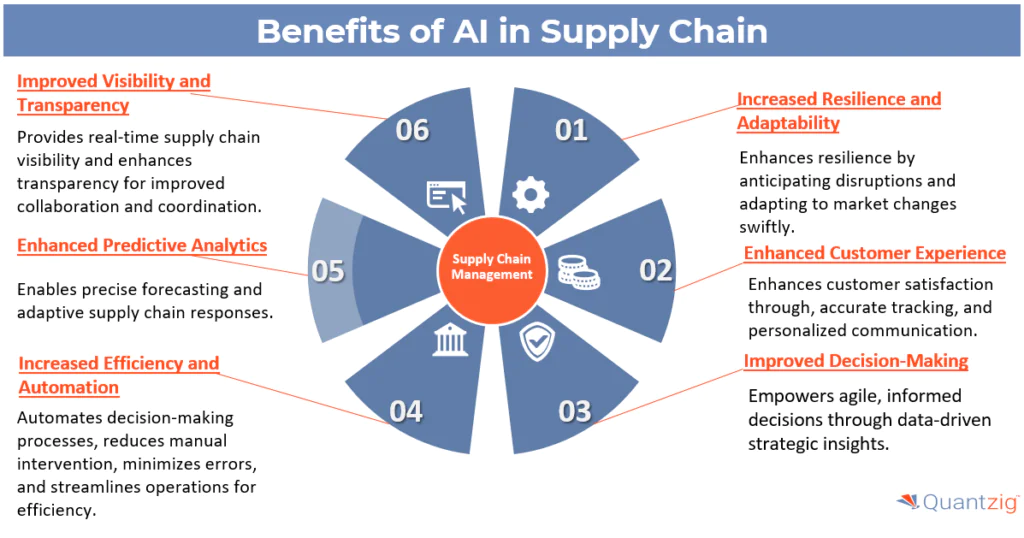
AI and blockchain transform supply chain transparency
The commodity markets are no longer just about volume and price; they are about proof. In 2026, the fragmentation of global trade means that verifying the origin of raw materials is as critical as the asset itself. Investors are facing heightened counterparty risk, where a single gap in provenance can trigger immediate devaluation or regulatory penalties.
AI and blockchain are merging to close these gaps. By creating immutable digital ledgers for every step of the supply chain, these technologies provide real-time verification of ethical sourcing. This transparency reduces the volatility associated with opaque physical commodities, allowing traders to price assets with greater precision.

This shift is particularly vital for energy and industrial metals, where geopolitical tensions often obscure supply routes. The ability to trace a barrel of oil or a batch of lithium from extraction to delivery transforms these commodities from speculative bets into auditable assets, stabilizing portfolios against sudden supply chain shocks.
Grain prices rise amid climate and policy shifts
Grain markets are facing a double squeeze in 2026. The World Bank’s April 2026 Commodity Markets Outlook confirms upward pressure on wheat and corn prices, driven by a combination of extreme weather events and tightening export policies World Bank. This isn't just a seasonal blip; it's a structural shift in supply dynamics that threatens global food security.
The IMF’s April 2026 World Economic Outlook reinforces this grim outlook, noting that commodity price projections have been revised sharply upward compared to October 2025 IMF. For wheat and corn, the primary staples for human consumption and animal feed, this means higher input costs for farmers and higher shelf prices for consumers. The volatility is no longer confined to emerging markets; it is rippling through global supply chains, affecting everything from bread prices in Europe to livestock feed in Asia.
The risk here is acute. Weather anomalies in key producing regions like the U.S. Midwest and the Black Sea have disrupted planting and harvest cycles. Simultaneously, geopolitical tensions have led to export restrictions in several major grain-exporting nations. These policy shifts have removed surplus from the global market, leaving buyers with fewer options and less leverage. The result is a fragile market where any new shock can trigger significant price spikes.
Investors and policymakers need to watch these trends closely. The upward trajectory for grain prices is likely to persist through 2026, driven by both the physical constraints of climate change and the political maneuvering of export controls. This environment demands a cautious approach to commodity exposure and a strategic focus on food security resilience.
No comments yet. Be the first to share your thoughts!