
2026 Commodity Trends
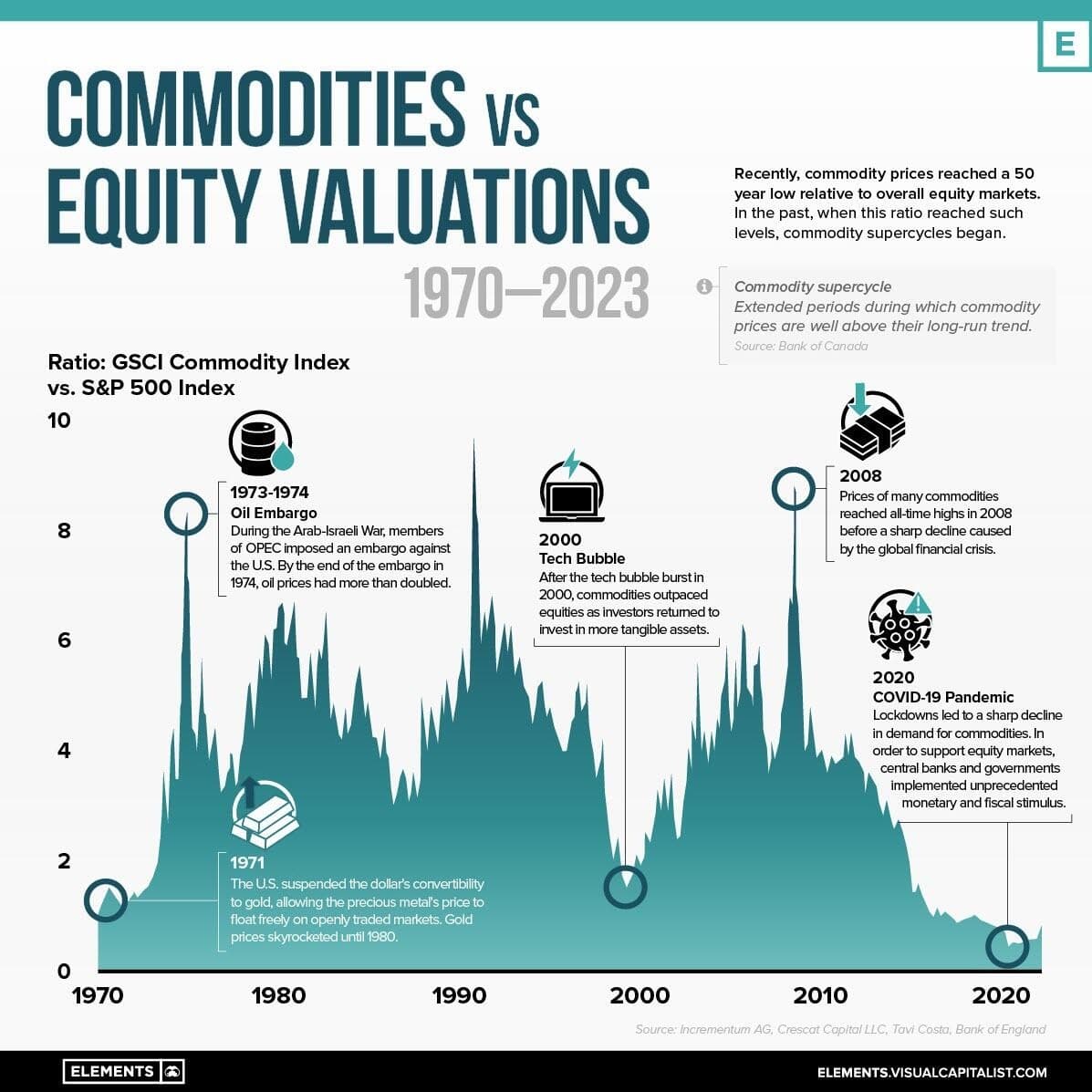
The market narrative for 2026 is split. While broad global commodity prices are projected to decline by roughly 7 percent according to the World Bank, specific industrial metals are defying this downward pressure. Copper and lithium are not just holding steady; they are decoupling from the broader market due to structural supply constraints and accelerating energy transition demand. Morgan Stanley highlights that base metals stand to gain as energy infrastructure builds out, creating a divergence between general commodity trends and critical mineral realities.
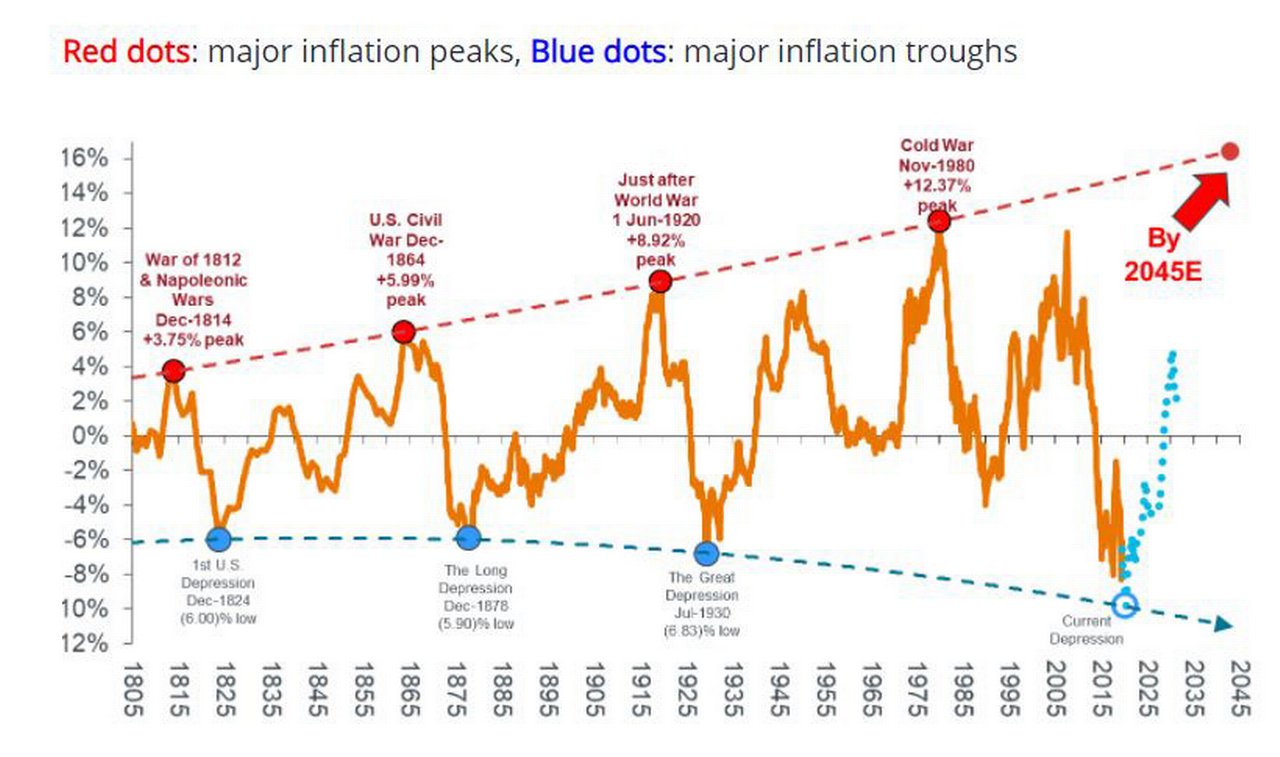
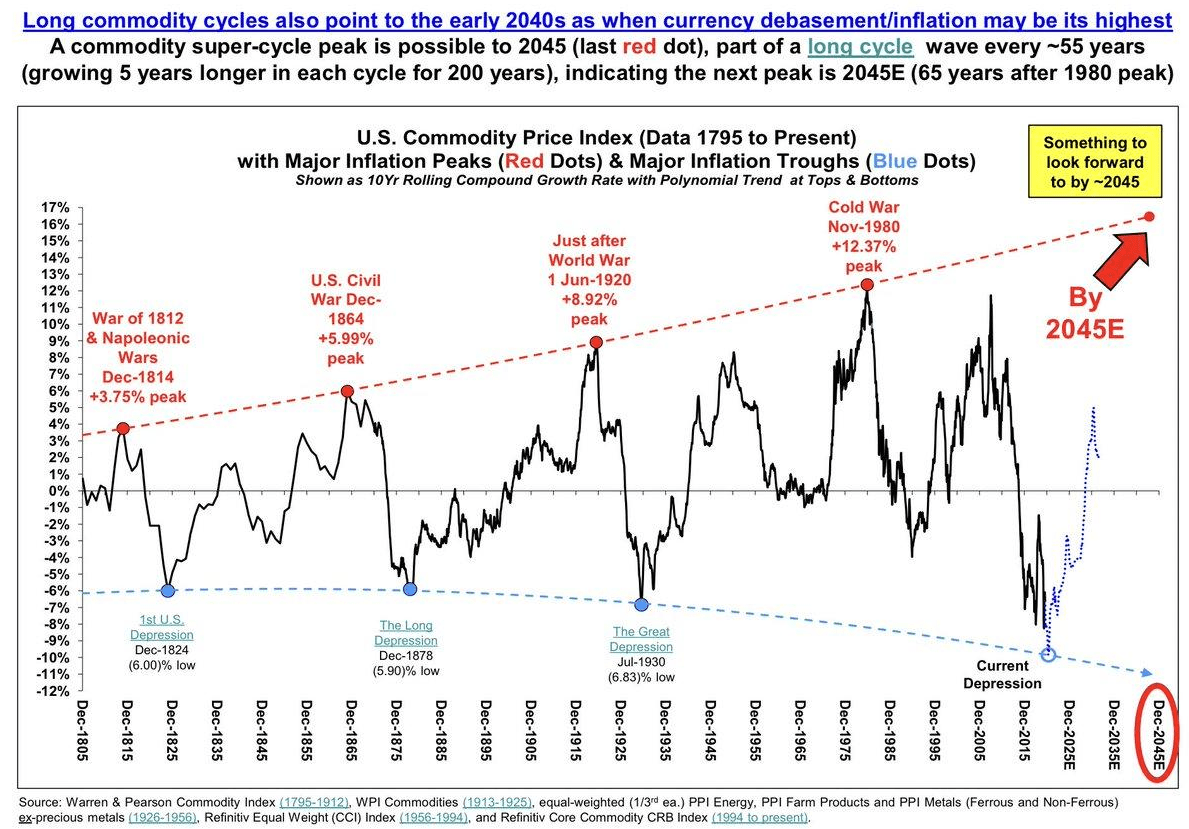
This divergence creates a complex trading environment. Investors must distinguish between cyclical energy prices, which are expected to fall by 10 percent, and the structural deficits in green metals. The "supercycle" thesis relies on this split: general commodities may soften, but the specific inputs for electrification face long-term shortages that price alone cannot quickly resolve. Understanding this nuance is essential for navigating the 2026 landscape.
The outlook for 2026 is not a simple bull or bear case. It is a sector-specific rotation. While energy commodities face headwinds, the infrastructure required for the global energy transition ensures that demand for copper and lithium remains robust. This structural demand supports higher price floors for these metals, even as broader commodity indices cool. Traders should focus on these specific clusters rather than broad commodity indices, which mask the underlying strength in critical materials.
2026 commodity trends choices that change the plan
The 2026 commodity supercycle is not a uniform rally. It is a divergence between transition metals and traditional energy sources. Investors must evaluate which assets benefit from structural supply deficits and which face headwinds from demand destruction or policy shifts. Understanding these tradeoffs requires looking at specific metrics rather than broad market indices.
Supply constraints vs. demand growth
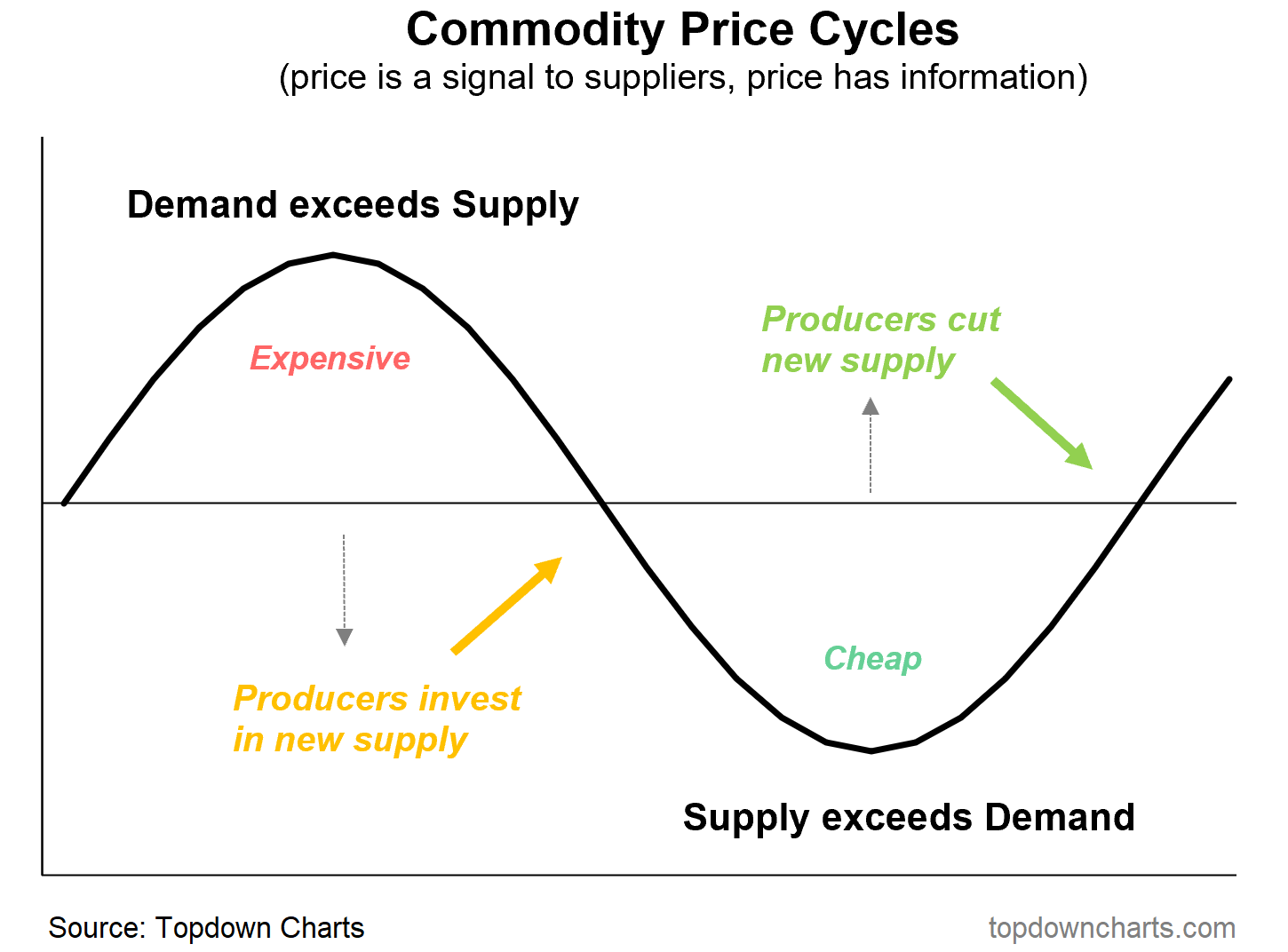
Copper and lithium face chronic underinvestment in new mining capacity. This supply inelasticity means that even modest demand growth from electrification drives significant price premiums. In contrast, energy commodities like oil and gas are seeing increased production from non-OPEC+ nations. This creates a ceiling on energy prices despite geopolitical risks. The tradeoff is clear: transition metals offer higher upside potential but carry greater execution risk in long-lead-time projects.
Volatility profiles and liquidity
Precious metals like gold offer liquidity and stability during market stress, but they do not participate in the industrial growth narrative. Industrial metals are more volatile, reacting sharply to Chinese manufacturing data and global infrastructure spending. For 2026, industrial metals are projected to outperform precious metals as the primary driver of returns. However, this comes with higher beta and wider price swings. Investors must decide whether they prioritize capital preservation or growth exposure.
Policy risks and regulatory environments
Government policies, particularly in the United States and the European Union, heavily influence commodity demand. Subsidies for electric vehicles and renewable energy support base metal demand. Conversely, carbon taxes and import tariffs can disrupt supply chains and increase costs. The World Bank projects a general decline in overall commodity prices by 7% in 2026, but this masks the bifurcation between green and brown assets. Navigating this landscape requires monitoring policy changes in real-time.
| Commodity | 2026 Trend | Primary Risk | Key Driver |
|---|---|---|---|
| Copper | Bullish | Supply delays | Electrification |
| Lithium | Bullish | Substitution tech | EV batteries |
| Oil | Neutral | Demand destruction | Non-OPEC supply |
| Gold | Stable | Opportunity cost | Safe haven |
How to Position Your Portfolio for the 2026 Supercycle
The market is split. While the World Bank projects a general 7% decline in broad commodity prices for 2026, structural deficits in energy transition metals like copper and lithium are driving a divergent supercycle. This divergence creates a complex environment where broad market indices may fall while specific sectors surge. To navigate this, you need a framework that separates cyclical noise from structural trends.
Focus on commodities where demand growth outpaces new mine production. Copper and lithium face multi-year supply gaps due to long lead times for new extraction projects. Unlike broad energy markets, these metals are constrained by physical scarcity rather than just cyclical demand. Look for sectors where inventory levels are critically low and replacement capacity is not coming online until after 2026.
Government mandates in the US, EU, and China are accelerating the electrification of transport and grid infrastructure. These policies create non-negotiable demand floors for industrial metals. Track legislative updates that directly subsidize renewable infrastructure, as these signals often precede price spikes in the underlying raw materials. A shift in subsidy structure can immediately alter the demand curve for battery-grade materials.
Do not rely solely on equity exposure to mining companies, which carry operational and geopolitical risks. Consider a mix of physical commodity exposure or ETFs that track specific metal indices. This approach isolates you from company-specific failures while capturing the price appreciation of the metal itself. Balance your portfolio with stable energy assets to hedge against broader macroeconomic volatility.
Commodity markets are volatile and prone to sharp corrections. Use technical indicators like moving averages to identify entry points during dips, rather than chasing all-time highs. Set strict stop-loss orders to protect capital during sudden demand shocks. Regularly review your positions against the latest supply data to ensure your thesis remains valid as new mine outputs come online.
This framework prioritizes structural scarcity over broad market trends. By focusing on the specific mechanics of supply and demand in the energy transition sector, you can identify opportunities that remain resilient even if the broader commodity market experiences a downturn.
Spot the Weak Options in the Commodity Supercycle
The narrative around the 2026 commodity supercycle is crowded with optimistic projections, but not all plays are created equal. While copper and lithium dominate headlines, several common assumptions are misleading investors who rely on broad market trends without checking the underlying mechanics. Distinguishing between structural demand and speculative hype requires looking past the headlines to the specific constraints of supply and policy.
The "Energy Transition" Trap
Many analysts argue that the energy transition guarantees price spikes for all base metals. This is a weak option because it ignores the substitution effect. As lithium prices remain volatile, manufacturers are actively shifting to sodium-ion and other chemistries for lower-end applications. Treating all battery metals as a single booming asset class misses the nuance of technological substitution, which caps upside potential for specific commodities.
Overleveraged Supply Chains
Another common mistake is assuming that current supply constraints will persist indefinitely. While mining projects face delays, the high prices themselves are incentivizing new capacity and recycling infrastructure. Relying on short-term supply shocks as a long-term investment thesis is risky. The market is already pricing in a gradual normalization of supply, making leveraged bets on persistent shortages vulnerable to sudden oversupply corrections.
Ignoring Policy Headwinds
Finally, many projections fail to account for the dual impact of tariffs and domestic content requirements. While these policies can support domestic producers, they also fragment global supply chains, increasing costs and reducing efficiency. Assuming a smooth global trade environment for commodities is a weak option. Investors must weigh the benefits of local production against the inflationary pressure of fragmented trade, which can dampen overall demand growth.
2026 commodity trends: what to check next
Investors are navigating a complex landscape where supply constraints clash with macroeconomic headwinds. The following answers address the most common practical objections regarding the 2026 market outlook.
Which commodities will boom in 2026?
Base metals, particularly copper and lithium, are positioned for significant growth. Morgan Stanley and Bloomberg highlight that accelerating energy transition projects are driving new demand for industrial metals, allowing them to outperform precious metals. While energy prices face downward pressure, the structural deficit in green energy supply chains keeps base metals in a strong bull position.
Is 2026 a bull or bear market?
The broader commodity outlook remains cautiously bullish despite near-term volatility. Goldman Sachs projects sturdy global GDP growth and potential Federal Reserve rate cuts, which typically support commodity returns. However, the World Bank warns that overall global commodity prices may decline by approximately 7 percent, suggesting that gains will be concentrated in specific sectors rather than across the entire asset class.
What are the top 3 commodities?
- Copper: Essential for electrification and grid modernization, copper faces persistent supply shortages that support price premiums.
- Lithium: As battery production scales, demand for lithium continues to outpace mining capacity, securing its status as a critical growth asset.
- Natural Gas: Energy security concerns and shifting trade flows are keeping natural gas prices elevated, particularly in regions undergoing rapid industrialization.
What is the market projection for 2026?
Projections indicate a divergence in performance. Energy commodities are expected to fall by about 10 percent due to improved supply efficiency and moderating demand growth. In contrast, industrial metals are projected to rise as infrastructure spending accelerates. Investors should expect a selective market where sector-specific trends outweigh broad commodity indices.
No comments yet. Be the first to share your thoughts!