
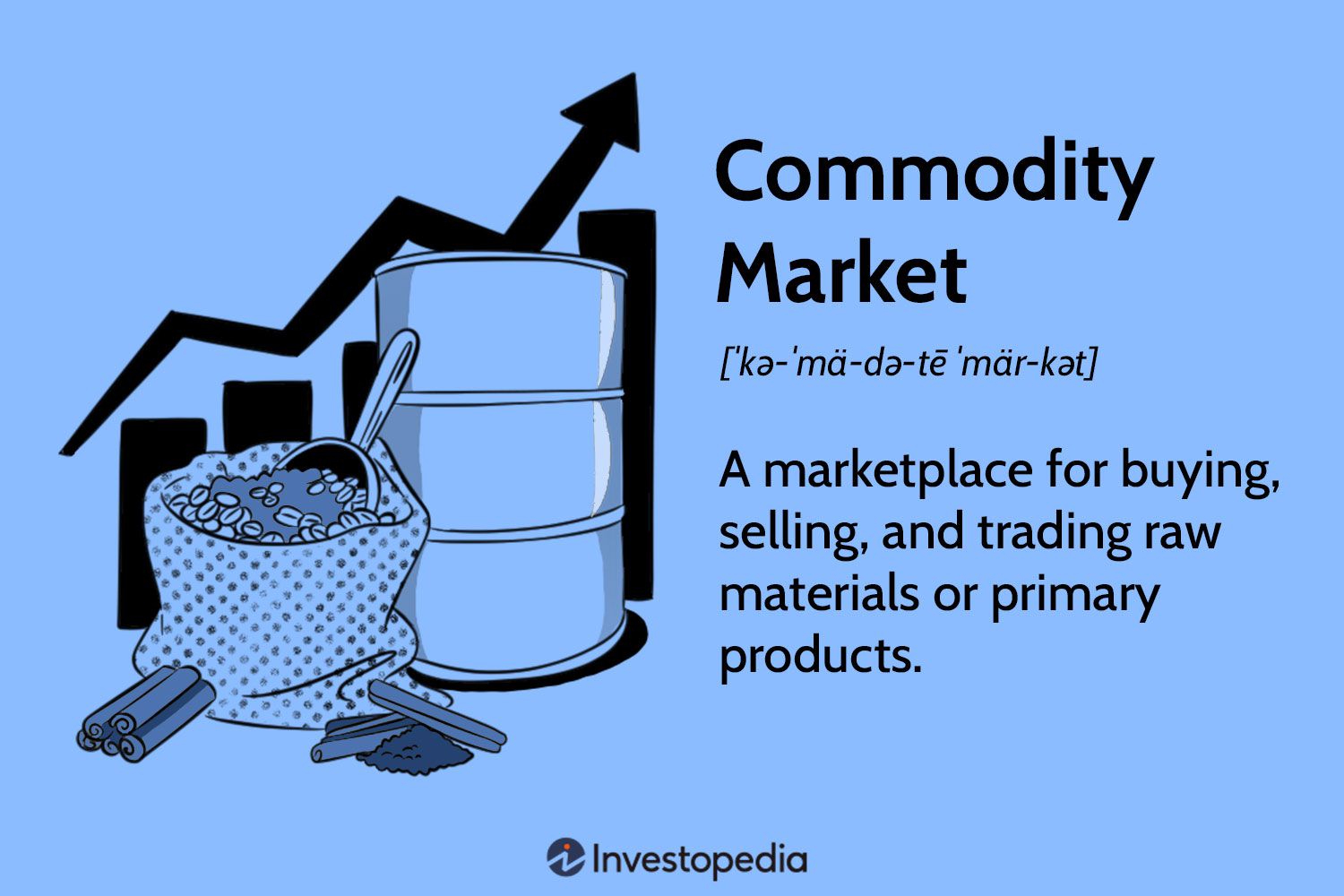
Broad commodity outlook for 2026
Global commodity markets are shifting from a period of volatility and adjustment to a phase of rising prices. According to the World Bank’s Commodity Markets Outlook for April 2026, average commodity prices are projected to increase by 16 percent this year. This marks the first annual rise since 2022, signaling a clear reversal in the downward trends that characterized much of the previous two years.
The primary driver of this upward pressure is a combination of geopolitical friction and persistent supply constraints. Energy markets are leading the charge, with average energy prices forecast to jump by 24 percent. Crude oil remains the most traded commodity, followed by natural gas, as essential energy inputs continue to face structural bottlenecks and regional instability.
This broad-based optimism is echoed by major financial institutions. Morgan Stanley notes that the outlook for 2026 is increasingly positive, driven by tightening supply chains and resilient demand. For investors and industry leaders, this environment suggests that 2026 will be defined by higher input costs and the need to hedge against continued price volatility.
The data visualized above reflects the Bloomberg Commodity Index over the last year, illustrating the recent uptrend that aligns with these macroeconomic projections. As prices stabilize at higher levels, market participants are adjusting their strategies to account for this new baseline.
Energy price forecast and LNG shifts
Energy markets are entering a distinct phase of upward pressure in 2026. According to the World Bank’s April 2026 Commodity Markets Outlook, average energy prices are projected to rise by 24 percent. This marks a significant acceleration compared to the broader commodity basket, which is expected to see a more modest 16 percent increase overall. The divergence highlights the structural tightness specifically within energy supply chains.
The pricing dynamic is being reshaped by a strategic pivot among major oil companies. Rather than focusing exclusively on traditional crude expansion, oil majors are increasingly channeling capital into liquefied natural gas (LNG) projects. This shift reflects a broader industry recognition that natural gas will serve as the critical bridge fuel during the global transition, driving demand for specialized liquefaction and shipping infrastructure.
Simultaneously, energy trading houses are diversifying their portfolios beyond conventional fuels. These firms are moving aggressively into transition metals, such as copper and lithium, which are essential for electrification and renewable energy infrastructure. This diversification strategy allows trading houses to hedge against volatility in traditional fossil fuel markets while capturing growth in the emerging green energy supply chain.
Critical minerals supply chain 2026
Use this section to make the Commodity Market Trends decision easier to compare in real life, not just on paper. Start with the reader's actual constraint, then separate must-have requirements from details that are merely nice to have. A practical choice should survive normal use, maintenance, timing, and budget. If a recommendation only works in an ideal situation, call that out plainly and give the reader a fallback path.
| Factor | What to check | Why it matters |
|---|---|---|
| Fit | Match the option to the primary use case. | A good deal still fails if it does not fit the job. |
| Condition | Verify age, wear, and service history. | Hidden condition issues erase upfront savings. |
| Cost | Compare purchase price with likely upkeep. | The cheapest option is not always the lowest-cost option. |
Strategic positioning for commodity investors
Commodity Market Trends works best as a clear sequence: define the constraint, compare the realistic options, test the tradeoff, and choose the path with the fewest hidden costs. That order keeps the advice usable instead of decorative. After each step, pause long enough to check whether the recommendation still fits the reader's actual situation. If it depends on perfect timing, unusual access, or a best-case budget, include a simpler fallback.
The simplest way to use this section is to write down the real constraint first, compare each option against it, and choose the path that still works outside ideal conditions.
No comments yet. Be the first to share your thoughts!