
Defining the 2026 commodity landscape
Broad commodity markets enter 2026 with a structural divergence that separates energy from metals. While energy and agricultural commodities face downward pressure, metals are positioned to outperform, driven by the specific demands of the global energy transition. This split creates a complex environment where traditional broad-market indices mask significant underlying shifts in supply and demand dynamics.
The World Bank projects that global commodity prices will fall to their lowest level in six years in 2026, marking the fourth consecutive year of decline. This broad deflationary trend is primarily anchored in energy weakness, as supply stabilizes and demand growth slows in key sectors. However, this aggregate view obscures the strength in the industrial metals sector, which is buoyed by long-term infrastructure and electrification projects.
Structural transformations like the energy transition are creating new engines of demand for specific metals, even as traditional energy assets weaken. Investors are increasingly viewing commodities not just as inflation hedges, but as critical inputs for decarbonization. This shift favors exposure to metals linked to renewable energy infrastructure over broader energy baskets.
The contrast between energy weakness and metal strength defines the 2026 outlook. While crude oil remains the most traded commodity due to its liquidity and geopolitical sensitivity, its price trajectory is expected to lag behind industrial metals. This divergence requires a nuanced approach to portfolio allocation, moving away from broad commodity exposure toward targeted sectors that align with long-term structural trends.
AI supply chains and pricing efficiency
Artificial intelligence is moving beyond simple data entry to become the central nervous system of physical commodity trading. By applying machine learning to logistics and forecasting, traders are reducing the friction that historically plagued physical markets. This shift is altering price discovery, allowing for real-time adjustments to supply and demand imbalances rather than relying on lagging indicators.
The integration of AI into supply chains allows for granular visibility across complex networks. Algorithms now predict port congestion, weather disruptions, and transportation bottlenecks before they materialize. This predictive capability enables traders to reroute shipments and adjust inventory levels proactively, minimizing waste and ensuring that physical goods reach markets when they are most needed.
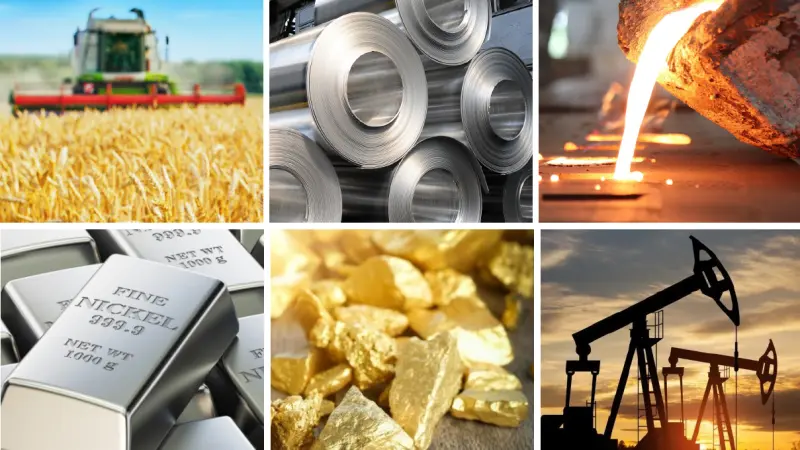
This technological leap is particularly evident in energy and metal markets, where volatility is high and margins are thin. Fastmarkets notes that 2026 will see industry volatility test even seasoned leaders, with policy shifts and decarbonization races driving the need for agile decision-making tools. AI-driven platforms provide the speed and accuracy required to navigate these turbulent waters, turning data into a competitive advantage.
As these systems mature, the gap between digital trading floors and physical logistics is closing. Traders who leverage AI for supply chain optimization are not just reacting to market changes; they are anticipating them, creating a more efficient and resilient commodity ecosystem.
Critical minerals demand surge
While broad commodity markets face headwinds, structural transformations like the energy transition are creating distinct engines of demand for critical minerals. Unlike the broader index, which may hit six-year lows in 2026 due to general economic softening, specific metals required for electrification are decoupling from this trend [src-serp-3]. The shift toward renewable infrastructure is driving a sustained, long-term deficit in supply for these materials, contrasting sharply with cyclical volatility seen in energy and agriculture.
Copper remains the backbone of this transition, serving as the primary conductor for both grid modernization and electric vehicles. Morgan Stanley notes that structural demand is outpacing mine supply growth, creating a tight market environment that supports price resilience even when broader indices retreat [src-serp-1]. Similarly, lithium continues to see robust demand growth driven by battery production, though it faces periodic oversupply corrections from new mining projects coming online in 2025 and 2026.
Rare earth elements and nickel face their own unique supply constraints, often tied to geopolitical concentration in processing facilities. This concentration creates a risk premium that broader commodity indices do not capture. Investors are increasingly distinguishing between general commodity exposure and targeted positions in these critical minerals, which offer diversification benefits against traditional equity and bond correlations.
The following table compares the demand growth drivers against supply constraints for three key metals in 2026, highlighting why they are viewed differently by institutional investors.
| Metal | Primary Demand Driver | Supply Constraint | 2026 Outlook |
|---|---|---|---|
| Copper | Grid expansion & EVs | Declining ore grades | Structural deficit |
| Lithium | Battery storage | Processing capacity | Volatile growth |
| Nickel | Stainless steel & EVs | Indonesian output caps | Balanced surplus |
Energy sector volatility and LNG growth
The energy market in 2026 is defined by a sharp bifurcation. While broader commodity prices face downward pressure, energy specifically is projected to surge. According to the World Bank’s April 2026 Commodity Markets Outlook, average energy prices are forecast to increase by 24 percent in 2026, driven by persistent supply shortfalls in both oil and natural gas [src-serp-8]. This divergence highlights that while general commodities may soften, energy remains a distinct, high-volatility asset class.
The structural driver behind this volatility is the rapid expansion of liquefied natural gas (LNG) infrastructure. As global trade patterns shift, LNG has become the primary mechanism for balancing supply and demand across continents. This growth is not merely additive; it is reshaping the fundamental mechanics of energy trading, creating new arbitrage opportunities and tightening regional markets. Traders are increasingly viewing LNG capacity as a critical bottleneck that will dictate price floors and ceilings throughout the year.
For market participants, the immediate focus remains on the underlying benchmarks that set the tone for these shifts. WTI crude oil and Henry Hub natural gas continue to serve as the primary liquidity hubs, reflecting the tension between geopolitical risk and infrastructure constraints.
This environment demands a nuanced approach. The 24 percent price increase forecast underscores that energy is not following the broader commodity downtrend. Instead, it is operating on its own trajectory, powered by the physical realities of LNG logistics and the geopolitical friction that continues to disrupt traditional supply chains. Understanding this split is essential for navigating the 2026 market landscape.
2026 Investment Outlook
Commodities are positioned for divergent returns in 2026, driven by supply constraints and the global energy transition. While the World Bank projects a general decline in global commodity prices to their lowest level in six years, selective opportunities remain in assets with structural deficits World Bank. UBS and other wealth managers suggest that broad commodities exposure, particularly in gold and commodity-linked equities, offers essential portfolio diversification amid ongoing geopolitical volatility UBS.
Geopolitical risks continue to shape market sentiment, with crude oil remaining the most traded commodity due to its sensitivity to global demand shifts and supply chain disruptions FXPro. Investors should monitor the U.S. dollar index, as a shifting currency landscape often dictates the direction of precious metals and industrial base metals. The interplay between central bank policies and physical supply constraints creates a complex environment where traditional valuation models may lag behind real-time market shocks.
Technical analysis suggests that momentum in energy and metals is heavily influenced by short-term policy announcements and long-term decarbonization mandates. Traders are increasingly favoring West Texas Intermediate (WTI) for its liquidity and transparent pricing mechanisms, which provide a clearer signal of market health compared to heavier, more complex crude blends. This preference highlights the importance of choosing liquid, transparent assets when navigating high-stakes commodity markets.
The investment case for 2026 rests on balancing the headwinds of potential price deflation against the tailwinds of strategic scarcity. While broad indices may face pressure, specific sectors like energy transition metals and precious metals offer hedging capabilities against inflation and currency debasement. Investors should prioritize assets with strong physical demand fundamentals over those reliant solely on speculative financial flows.
Frequently asked: what to check next
Commodity markets are navigating a complex mix of structural shifts and immediate volatility. Below are direct answers to common questions about investment viability, top assets, and price trends for 2026, based on official forecasts and market data.
No comments yet. Be the first to share your thoughts!