

Commodity prices 2026: the volatility limits to account for
The commodity market forecast for 2026 points to a sharp rebound in global prices, with the World Bank projecting a 16% rise driven by soaring energy and fertilizer costs. This surge stands in contrast to earlier expectations of a multi-year decline, creating a complex environment for buyers and investors alike. While some forecasts previously suggested prices might hit new lows by 2026, the current outlook reflects a different reality shaped by geopolitical tensions and supply-chain bottlenecks.
For businesses managing procurement, this shift means higher input costs that may not be easily passed through to consumers. Investors face a choice between broad commodity exposure and selective plays in sectors like gold or commodity-linked equities, which UBS notes could offer attractive returns amid supply-demand imbalances. The key is recognizing that 2026 is not a year of stability, but of calculated risk.
To understand the scale of this shift, it helps to look at the underlying drivers. Energy prices are a primary catalyst, but record-high prices for several key metals further complicate the landscape. This is not just a temporary spike; it reflects structural changes in how global supply chains operate under AI-driven efficiency constraints and lingering geopolitical friction.
Commodity prices 2026 choices that change the plan
The 2026 commodity landscape is defined by sharp divergence. While the World Bank forecasts a 16% rise in overall commodity prices, this aggregate masks conflicting sectoral realities. Energy and fertilizer costs are surging, while certain metals face volatility from shifting supply chains. Investors and businesses must manage these opposing forces rather than treating commodities as a monolithic asset class.
To visualize these diverging paths, the table below compares key commodity sectors based on current price momentum and primary risk factors. This comparison highlights why a broad index may not accurately reflect exposure to specific price shocks.
| Sector | 2026 Trend | Primary Driver | Key Risk |
|---|---|---|---|
| Energy | Strongly Higher | Geopolitical supply constraints | Demand destruction from high costs |
| Fertilizers | Rising | Soaring natural gas prices | Agricultural input cost spikes |
| Base Metals | Volatile | AI-driven industrial demand | Supply chain bottlenecks |
| Gold | Stable Growth | Portfolio diversification | Interest rate sensitivity |
For traders analyzing short-term momentum, the technical structure of energy markets provides immediate context. The chart below illustrates recent price action, helping to identify support and resistance levels critical for timing entries in a high-volatility environment.
The decision to engage with commodities in 2026 depends on your specific objective. If you seek inflation hedging, energy-linked assets offer direct correlation to current price spikes but carry significant downside risk if demand weakens. For portfolio diversification, gold and select commodity equities provide stability against geopolitical shocks, as noted by UBS Wealth Management. The 16% projected rise in aggregate prices suggests that selective exposure to energy and fertilizers may outperform broad indices, which are diluted by slower-growing sectors.
How to manage 2026 commodity price volatility
The 2026 commodity landscape is defined by a sharp divergence in forecasts. The World Bank projects a 16% rise in overall commodity prices, driven by soaring energy, fertilizer, and metal costs. Conversely, other outlooks suggest prices may hit a six-year low as energy costs fall and inflation eases. This contradiction means there is no single market direction; there are only different scenarios based on geopolitical stability and supply chain execution.
Managing this volatility requires moving beyond broad market bets. You need a framework that separates physical supply risks from financial market exposure. The following steps outline how to structure your approach for 2026.
Determine if you are buying physical commodities for production or holding financial assets for portfolio diversification. Physical buyers face immediate input cost shocks from energy and fertilizer spikes. Financial investors face volatility from macroeconomic shifts and currency fluctuations. These two groups need different hedging strategies. Physical buyers should focus on long-term contracts with price caps, while investors should look at broad commodity ETFs to capture the projected 16% upside.
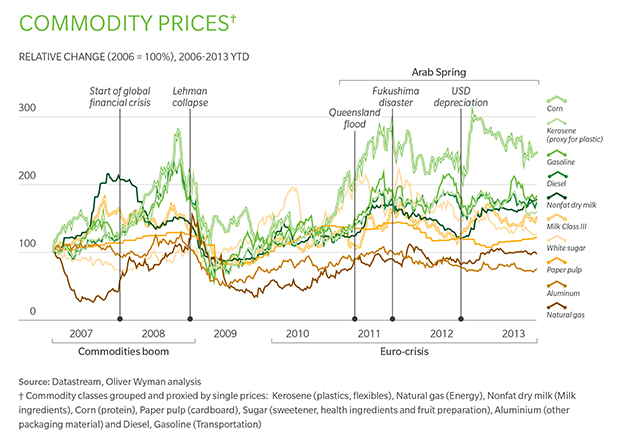
Energy and key metals are the primary drivers of the projected 16% price increase. Track the price of crude oil and natural gas, as these directly impact fertilizer production and metal refining costs. A spike in these inputs will likely push base metal prices to record highs. Use real-time charts to spot trends rather than relying on quarterly reports. If energy prices remain stable, the bearish forecast of a six-year price low may materialize instead.
Do not concentrate risk in a single commodity sector. The UBS view suggests that broad commodity exposure offers better diversification than single-commodity bets. Consider a mix of gold for stability and commodity-linked equities for growth. This approach mitigates the risk of a sudden price drop in one sector while capturing gains in another. A balanced portfolio can withstand the "highs" and "lows" described in conflicting forecasts.
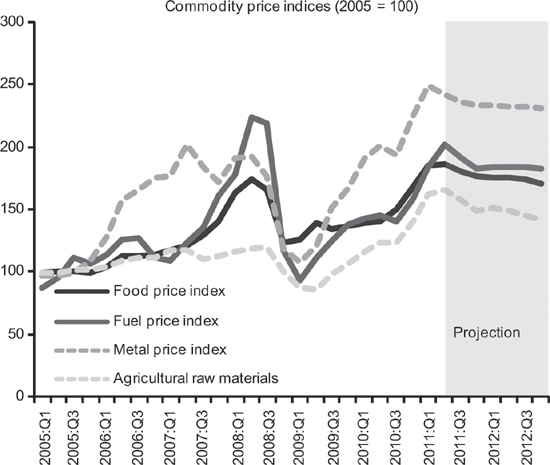
Static hedging strategies may fail in a volatile 2026 market. Use options and futures contracts that can be adjusted quarterly based on new World Bank or IMF data. If the 16% rise forecast proves accurate, your hedges will protect against margin erosion. If prices fall, you can roll over contracts to capture lower input costs. This flexibility is the most effective tool for managing uncertainty in both supply chains and investment portfolios.
| Scenario | Price Forecast | Primary Driver | Recommended Action |
|---|---|---|---|
| Bull Case | +16% Rise | Soaring energy and metal costs | Lock in long-term supply contracts |
| Bear Case | Six-year low | Falling energy and eased inflation | Delay non-essential purchases |
The decision comes down to your risk tolerance. If you believe geopolitical tensions will keep energy prices high, the 16% rise forecast is your baseline. If you believe supply chains are stabilizing, prepare for a price drop. In either case, diversification and dynamic hedging are the only reliable ways to handle the shift.
Spotting Misleading Claims in 2026 Commodity Forecasts
The 2026 commodity outlook is dominated by a single, confusing narrative: prices are both rising 16% and hitting a six-year low. This contradiction stems from comparing different metrics—year-over-year percentage growth versus multi-year trend lines. The World Bank’s Commodity Markets Outlook projects a 16% rise driven by energy and fertilizer spikes, while simultaneously noting that overall price levels remain depressed compared to the 2022 peak. Ignoring this distinction leads to poor positioning.
The Weak Option: Betting on a Linear Crash
Many investors assume that because prices are down from their 2022 highs, they will continue to fall linearly. This is a weak option. The IMF and World Bank data highlight that energy and metal prices are experiencing volatile rebounds. Betting on a continued crash ignores the structural supply-demand imbalances in key metals and the geopolitical risks keeping energy floors elevated. This approach fails to account for the "soaring" segments of the market that are driving the aggregate 16% forecast.
The Weak Option: Ignoring the AI-Driven Supply Shift
Another common mistake is treating commodities as a monolithic asset class. The AI-driven supply chain shift is not a uniform trend; it disproportionately benefits copper, lithium, and rare earth elements required for data centers and grid infrastructure, while leaving traditional industrial metals behind. Treating all commodities as a single hedge against inflation ignores this divergence. A broad commodities index may mask the specific volatility in AI-critical materials.
The Strong Option: Divergent Positioning
The robust strategy involves separating energy/metals from industrial bulk. Use a TechnicalChart to monitor copper and crude oil separately, as their drivers differ significantly. The World Bank’s forecast of a 16% rise is largely energy-led. If you seek exposure, focus on the specific sectors driving that rise rather than a broad basket. This approach acknowledges the data: prices are rising, but only in specific, high-demand niches.
Decision Guide: How to Position Now
| Strategy | Best For | Risk | Key Driver |
|---|---|---|---|
| Energy-Long | Inflation Hedge | High | Geopolitical supply shocks |
| AI-Metal Long | Growth | Medium | Data center build-out |
| Broad Index | Diversification | Low | Mixed sector performance |
The clear decision is to avoid broad, undifferentiated commodity exposure. The 2026 market rewards specificity. Align your positions with the actual drivers of the 16% forecast—energy and critical metals—rather than the broader, lower-volatility industrial segments.
Commodity prices 2026: frequently asked: what to check next
The 2026 commodity market is defined by conflicting signals. While some forecasts point to a six-year low due to an oil glut, others project a 16% rise driven by energy and fertilizer costs. These divergent views highlight the complexity of managing AI-driven supply shifts and geopolitical risks.
What is the commodity market forecast for 2026?
The World Bank’s April 2026 Commodity Markets Outlook projects that average commodity prices will rise by 16% in 2026, marking the first annual increase since 2022. This upward pressure is primarily driven by soaring energy and fertilizer prices, alongside record-high costs for several key metals. In contrast, S&P Global notes that energy prices remain strongly higher, causing an upward revision for chemicals dependent on oil and gas. The IMF also highlights these developments in its latest Commodity Special Feature, noting that while energy costs are rising, the overall landscape remains volatile.
Can commodity prices hit new lows in 2026?
Yes, but only for specific segments. A separate World Bank analysis suggests that global commodity prices could drop to their lowest level in six years by 2026, marking the fourth consecutive year of decline in certain indices. This potential low is largely attributed to an expanding oil glut and falling energy prices, which help ease global inflation. However, this "low" applies more to broad energy baskets than to critical industrial metals, which remain firm due to supply constraints and AI-driven demand.
Are commodities a good investment for 2026?
Commodities are poised for attractive returns in 2026, offering portfolio diversification amid supply-demand imbalances. UBS recommends broad commodities exposure, gold, and select commodity-linked equities to hedge against geopolitical risks and the global energy transition. Morgan Stanley expects base metal prices to remain broadly stable or rise modestly, reflecting firm demand from the tech sector. For investors, the key is selecting assets that benefit from structural shortages rather than those vulnerable to short-term energy gluts.
How does AI impact commodity demand in 2026?
AI infrastructure is a primary driver of demand for specific commodities, particularly copper, aluminum, and rare earth metals. Data centers and semiconductor manufacturing require significant amounts of these materials for cooling systems and circuitry. This structural demand creates a floor for metal prices, even if energy prices fluctuate. Investors should monitor industrial metal indices closely, as they are increasingly decoupled from traditional cyclical trends and tied to technology adoption rates.
What are the main risks to the 2026 commodity outlook?
The primary risks include geopolitical disruptions in key energy-producing regions and potential slowdowns in global manufacturing. While AI demand is strong, a recession in major economies could dampen overall industrial commodity consumption. Additionally, policy shifts regarding carbon emissions could alter fertilizer and energy costs overnight. Monitoring central bank policies and trade agreements is essential for anticipating these shocks.
No comments yet. Be the first to share your thoughts!