
Commodity market trends 2026
The commodity market outlook for 2026 is defined by a tug-of-war between structural supply constraints and shifting demand patterns. While energy prices may ease, helping to cool global inflation, precious metals and select industrial metals are poised for significant gains. This divergence creates a complex environment where traditional correlations between asset classes are breaking down, requiring a more nuanced approach to market positioning.
Structural transformations, particularly the global energy transition, are creating new engines of demand for metals like copper and lithium. Simultaneously, geopolitical risks and supply-side disruptions continue to underpin price volatility. As noted by major financial institutions, commodities offer attractive portfolio diversification amid these imbalances, with broad exposure and gold standing out as key defensive plays for the year ahead.
Investors should anticipate a year where specific sectors outperform the broader basket. Precious metals, including gold, platinum, and silver, are expected to reach record high levels, driven by central bank buying and safe-haven demand. Meanwhile, energy markets will likely see modest recovery if trade disruptions ease, but the broader commodity index may face headwinds from slowing industrial growth in key economies.
Commodity market trends 2026 choices that change the plan
Deciding how to position for 2026 requires weighing conflicting signals. The World Bank projects a 16 percent rise in average commodity prices as shipping volumes stabilize, while other models forecast a 7 percent drop due to subdued global growth. This divergence means a broad "buy everything" approach is less effective than targeting specific imbalances. The market is splitting between energy transition metals, which face structural demand, and traditional energy, which faces supply gluts.
Gold and platinum offer a different risk profile. Precious metals are expected to surge by 42 percent as central banks continue to diversify reserves and hedge against geopolitical instability. However, this upside comes with volatility. If inflation cools faster than expected, the safe-haven premium could evaporate, leaving investors exposed to a sharp correction. Comparing these options helps clarify which asset class aligns with your risk tolerance.
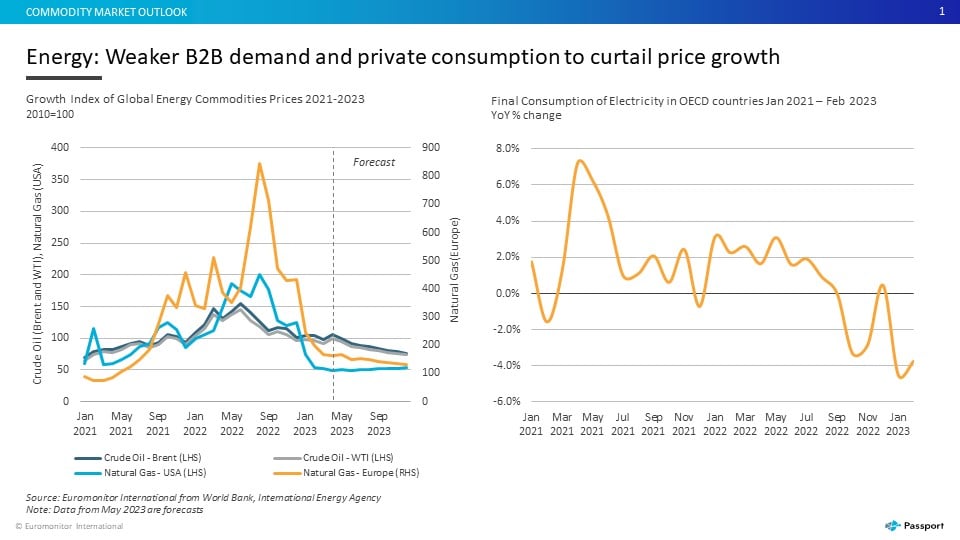
Energy markets present the starkest tradeoff. Liquefied natural gas (LNG) demand is growing as countries seek alternatives to pipeline dependencies, but overall energy prices are falling, easing global inflation. This creates a narrow window for LNG-focused investments while broader energy exposure may lag. Livestock and agricultural commodities remain sensitive to weather patterns and local supply chain disruptions, adding another layer of complexity to portfolio construction.
| Commodity Segment | Primary Driver | 2026 Outlook | Risk Factor |
|---|---|---|---|
| Precious Metals | Central bank buying, geopolitical risk | +42% (World Bank) | Inflation cooling |
| Energy (Broad) | Supply gluts, easing inflation | -7% (World Bank) | Geopolitical shocks |
| LNG | Trade diversification | Positive growth | Infrastructure limits |
| Agriculture | Weather, local supply chains | Mixed | Climate volatility |
To monitor these shifts in real time, tracking live market data is essential. Static forecasts quickly become outdated as daily news alters supply and demand dynamics.
For a deeper look at technical momentum, especially in precious metals which have hit record highs, a provider-backed chart provides better context than historical data alone.
How to position your portfolio for 2026
The 2026 commodity market outlook is defined by a sharp divergence. While broad energy and industrial metals face headwinds from slowing global growth, precious metals and transition minerals are surging. Your strategy must separate these trends rather than treating commodities as a single asset class.
Gold, silver, and platinum are projected to hit record annual highs in 2026, with the World Bank forecasting a 42% surge in precious metals prices. Use these assets as a hedge against geopolitical instability and currency volatility. A core allocation here provides stability when industrial demand softens.
Structural demand from the energy transition is creating new engines for copper, lithium, and nickel. Unlike crude oil, which faces long-term structural decline, these metals are essential for electrification. Target specific commodity-linked equities or ETFs focused on green infrastructure rather than broad energy baskets.
Commodity prices are inversely correlated with the U.S. dollar. As the Fed manages rate cuts, a weaker dollar typically lifts commodity valuations. Additionally, watch shipping volumes; if trade disruptions ease as projected, supply gluts could suppress prices for agricultural and industrial commodities. Adjust exposure based on these macro signals.
The market is not uniform. While some forecasts suggest broad prices may drop to six-year lows due to energy deflation, others highlight a 16% average rise driven by precious metals and supply constraints. Success in 2026 requires picking the right sub-sector rather than betting on the entire commodity complex.
Watchouts: Conflicting Signals and Weak Options
The 2026 commodity market outlook is defined by a sharp divergence in forecasts. One narrative suggests prices could hit new lows, citing a World Bank projection of a six-year decline in energy and bulk commodities. A competing view, also referencing World Bank data, projects a 16% average price increase if trade disruptions ease. This contradiction highlights the primary risk: relying on a single macroeconomic indicator without checking the underlying supply chain assumptions.
Misleading "Record High" Claims
Headlines frequently cite record highs for gold, platinum, and silver as a blanket bullish signal. While the World Bank Group's precious metals price index is projected to surge by 42% in 2026, this does not apply to the broader commodity basket. Investors who assume all commodities follow precious metals into new highs often overexpose themselves to industrial metals, which face structural oversupply due to slower manufacturing demand in key economies.
The Weakness of Broad Exposure
Broad commodity indices are often presented as the safest entry point for 2026. However, this "average" mask hides significant volatility. For instance, while energy prices may fall, easing inflation, agricultural commodities could spike due to weather-related supply shocks. A diversified basket dilutes the impact of high-conviction trends, such as the energy transition-driven demand for copper, making it a weak option for investors seeking targeted alpha.
Ignoring the Dollar Shift
A common mistake is analyzing commodity prices in isolation. Precious metals and livestock are heavily influenced by the shifting U.S. dollar. As the dollar strengthens or weakens, local currency prices for commodities move inversely. Failing to account for currency hedging or dollar trends can erase gains in nominal price appreciation. Always cross-reference commodity charts with the U.S. Dollar Index (DXY) to avoid false signals.
Commodity market trends 2026: what to check next
Navigating the 2026 commodity landscape requires separating structural shifts from short-term volatility. The following answers address the most common questions investors face when allocating capital to energy, metals, and agriculture sectors.
No comments yet. Be the first to share your thoughts!