
2026 commodity outlook overview
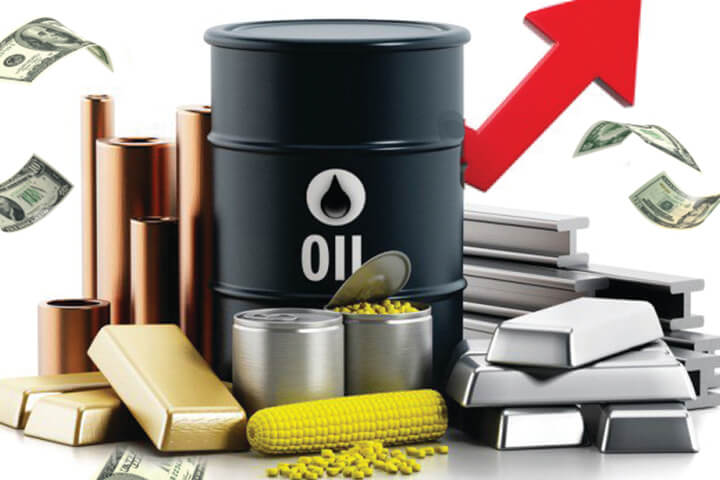
Broad commodity markets enter 2026 with a fragmented outlook, driven by a sharp divergence between sector performance. While overall prices are projected to decline for a fourth consecutive year due to subdued global growth, the composition of that decline tells a more complex story. Energy and agricultural commodities are expected to weaken on average, weighed down by supply gluts and shifting demand patterns. In contrast, industrial metals are positioned to outperform, fueled by structural transformations like the energy transition that create new, persistent engines of demand.
This divergence is not merely cyclical but structural. The shift toward green energy infrastructure is redirecting capital and physical demand toward metals like copper, which are essential for electrification and grid modernization. As noted by Morgan Stanley, these structural changes are creating optimism specifically within the metals complex, even as broader market indices face headwinds. Investors are increasingly distinguishing between commodities tied to legacy fossil fuel consumption and those integral to the industrial base of a decarbonized economy.
Precious metals also present a distinct opportunity within this mixed landscape. Gold and silver have recently hit all-time highs amid global uncertainty, serving as both a hedge against volatility and a beneficiary of industrial demand. Silver, in particular, sits at the intersection of monetary and industrial value. Experts from BlackRock and J.P. Morgan predict silver’s price will surpass $80 per ounce by the end of 2026, with some projections suggesting it could reach $100 per ounce by 2030 as solar and electronics manufacturing continue to scale.
Navigating this environment requires looking beyond aggregate commodity indices. The market is no longer a monolith where all raw materials move in tandem. Success in 2026 depends on identifying which commodities are benefiting from the green energy shift and which are struggling with oversupply. For investors and businesses alike, the focus must shift from broad market trends to specific supply-demand fundamentals within the metals and energy sectors.
Green energy transition impact on commodities
Decarbonization policies are fundamentally reshaping commodity demand, creating structural support for critical minerals even as broader industrial markets face headwinds. The energy transition has shifted from a long-term projection to an immediate driver of market fundamentals, insulating specific sectors from general economic softness.
Copper stands as the primary beneficiary of this shift. The International Energy Agency estimates that a wind turbine requires six times more copper than a gas-fired generator, while an onshore solar PV plant uses nearly nine times more. This intensive material requirement is anchoring prices at historically elevated levels. Natixis CIB projects copper will average between $10,800 and $11,000 per tonne in 2026, a figure that remains robust despite cyclical industrial slowdowns [Natixis CIB]. This price floor reflects the reality that grid expansion and electric vehicle production are no longer optional add-ons but mandatory infrastructure projects.
Silver is experiencing a similar structural re-rating. Historically valued for its monetary properties, silver now faces strong industrial demand from the solar photovoltaic sector. Major financial institutions like BlackRock and J.P. Morgan have upgraded their outlooks, predicting prices will surpass $80 per ounce by the end of 2026, with potential targets reaching $100 by 2030 [Yahoo Finance]. The dual demand from green technology and safe-haven investors provides a unique support mechanism that distinguishes silver from other base metals.
While lithium and cobalt remain essential for battery storage, their markets are currently characterized by oversupply and price volatility. In contrast, copper and silver benefit from supply constraints that cannot be quickly resolved. Mining projects face long lead times and increasing regulatory hurdles, meaning supply cannot easily ramp up to meet the accelerating demand from decarbonization policies. This supply-demand mismatch ensures that green energy metals will likely outperform traditional industrial commodities throughout the decade.


As an Amazon Associate, we may earn from qualifying purchases.
Supply chain volatility 2026 risks
The global commodity landscape is undergoing a structural fracture. In 2026, volatility is no longer an anomaly but a baseline condition, testing the resilience of even the most seasoned industry leaders. The convergence of geopolitical fragmentation, policy shifts, and the urgent race toward decarbonization is forcing a complete reconfiguration of supply chains. This is not merely a cycle of price fluctuation; it is a fundamental shift in how energy and industrial inputs move across borders.
Geopolitical tensions are actively disrupting established trade routes, creating bottlenecks that traditional logistics models cannot absorb. As nations prioritize energy security over efficiency, the cost of moving critical materials has risen sharply. This fragmentation benefits agile traders who can navigate alternative routes but penalizes those reliant on stable, linear supply chains. The result is a market where access to raw materials is becoming as valuable as the materials themselves.
Simultaneously, the energy transition is creating selective opportunities within this chaos. Demand for decarbonization metals like copper and silver is outpacing supply, driven by infrastructure projects that require immediate delivery. While precious metals like gold and silver have hit all-time highs amid global uncertainty, the real story lies in the industrial metals powering the energy shift. Copper prices remain elevated as grid modernization efforts accelerate, while silver’s outlook remains strong, with experts predicting prices to surpass $80 per ounce by the end of 2026.
This environment rewards those who can balance risk with opportunity. The structural shift toward green energy metals is not a temporary trend but a long-term reality. Leaders who understand the interplay between geopolitical risk and energy transition demand will find selective market opportunities amidst the volatility.
Energy markets and LNG growth
The energy sector is undergoing a structural transformation in 2026, driven by the rapid expansion of liquefied natural gas (LNG) infrastructure and a strategic pivot by traditional oil majors. As global demand for cleaner-burning fuels rises, LNG has emerged as the critical bridge commodity, with new export terminals in North America and Australia coming online to meet Asian and European demand. This shift is not merely about volume; it represents a fundamental realignment of capital flows within the energy complex.
Oil companies are increasingly diversifying their portfolios, moving beyond crude extraction into power generation and gas trading. This strategy mitigates exposure to long-term oil demand risks while capturing value from the growing electricity needs of data centers and industrial electrification. The integration of these assets allows for more flexible trading strategies, where gas and power margins can offset volatility in the crude market. For traders, this means the traditional silos between oil, gas, and power are dissolving, requiring a more integrated approach to risk management and portfolio allocation.
The geopolitical landscape further complicates this transition. Sanctions on major producers and shifting trade routes have created persistent supply chain frictions, keeping LNG prices volatile but generally supported by structural deficits in key markets. Investors should monitor the progress of new liquefaction projects and the regulatory environment surrounding carbon capture and storage (CCS) integration, as these factors will determine the long-term profitability of gas assets in a decarbonizing world.
Precious metals safe-haven demand
Global uncertainty continues to drive investor sentiment toward gold and silver as primary safe-haven assets. According to CME Group’s 2026 market analysis, precious metals are benefiting from a historic landscape shaped by shifting U.S. dollar dynamics and geopolitical friction. Oxford Economics confirms this divergence, noting that metals are expected to outperform energy and agricultural commodities this year as investors seek stability amid economic volatility.
Gold remains the cornerstone of this defensive strategy, with Morgan Stanley highlighting it as a standout performer hitting all-time highs. However, silver is gaining distinct traction due to its dual role as both a monetary metal and an industrial input. This structural shift toward green energy metals is particularly relevant for silver, where industrial demand from solar and electric vehicle manufacturing supports price resilience beyond pure speculative interest.
Price predictions for 2026 reflect this robust outlook. Experts from BlackRock and J.P. Morgan agree that silver’s trajectory is strong, with consensus estimates suggesting the price will surpass $80 per ounce by the end of 2026. While some longer-term forecasts suggest silver could reach $100 per ounce by 2030, the immediate 2026 target provides a concrete benchmark for investors monitoring short-term volatility. This data-driven approach helps distinguish between abstract trends and actionable market signals.
No comments yet. Be the first to share your thoughts!