
Commodity blockchain 2026 limits to account for
The regulatory landscape for commodity blockchain 2026 has shifted from ambiguity to explicit classification. On March 17, 2026, the SEC and CFTC issued a joint 68-page interpretation that officially names 16 crypto assets, including Bitcoin, Ether, and Solana, as digital commodities. This distinction matters because it places these assets under the CFTC’s jurisdiction for spot trading and derivatives, rather than the SEC’s securities framework.
This classification allows commodity blockchains to operate with clearer legal boundaries. Projects can now tokenize real-world assets backed by these recognized digital commodities without immediately facing securities enforcement risks. However, the CFTC is simultaneously tightening its enforcement focus. The agency is prioritizing back-to-basics actions against fraud and market manipulation, meaning that while the asset class is recognized, the market conduct remains under heavy scrutiny.
For supply chain finance, this duality creates a specific operational constraint. You can build on these assets, but you must ensure your smart contracts and trading platforms adhere to CFTC compliance standards. The window for "move fast" experimentation is closing; the 2026 framework demands robust audit trails and anti-manipulation controls from day one.
Commodity blockchain 2026 choices that change the plan
Real-time asset tokenization in 2026 moves beyond theoretical promise into a regulated reality. With the SEC and CFTC jointly classifying 16 major crypto assets as digital commodities, the legal framework for commodity blockchains has solidified. However, the path to implementation requires navigating distinct technical and regulatory tradeoffs.
The 2026 landscape demands a clear-eyed assessment of infrastructure choices. Buyers must evaluate whether their primary need is regulatory clarity, transaction speed, or cross-border interoperability. The following comparison breaks down the concrete factors that determine which blockchain approach fits specific supply chain finance use cases.
| Feature | Public Layer | Permissioned Ledger | Regulatory Status |
|---|---|---|---|
| Transparency | Full public audit trail | Restricted access | Public: High scrutiny |
| Speed | Slower (consensus overhead) | High throughput | Permissioned: Faster compliance |
| Privacy | None (pseudonymous) | Granular controls | Permissioned: Preferred by banks |
| Adoption | Broad ecosystem | Enterprise-focused | Mixed: evolving guidance |
The choice between public and permissioned ledgers often hinges on privacy requirements. Permissioned networks like Hyperledger Fabric offer the granular access controls that traditional banks require for sensitive supply chain data. Public chains provide undeniable transparency but may struggle with confidentiality needs in high-value commodity trades.
Regulatory compliance remains the primary driver for enterprise adoption in 2026. The CFTC’s focus on fraud and manipulation enforcement means that any tokenization platform must prioritize auditability. Permissioned ledgers often align better with existing compliance frameworks, allowing for real-time monitoring of asset provenance without exposing sensitive trade data to the public.
Ultimately, the tradeoff lies between openness and control. Public chains offer robust security and decentralization but lack the privacy features required for many institutional players. Permissioned ledgers provide the necessary controls for enterprise finance but sacrifice some of the decentralized benefits that initially drove blockchain innovation. The 2026 winner will likely be hybrid architectures that bridge this gap.
How to choose a real-time asset tokenization path
Tokenizing commodities like energy, wheat, or metals isn't just about moving data on a ledger; it's about mapping physical inventory to digital claims in real time. The regulatory landscape has shifted with recent SEC and CFTC guidance naming major crypto assets as digital commodities, but the operational risk remains high.
To navigate this, you need a decision framework that prioritizes compliance infrastructure and liquidity access. Here is how to evaluate your options.

2026 CFTC enforcement is "back-to-basics," focusing on fraud and market manipulation. Before tokenizing, ensure your asset can be audited without triggering securities laws. If your commodity involves complex derivatives or pooled investment structures, you may face immediate regulatory hurdles. Stick to straightforward physical goods with clear title transfer.

Not all blockchains are equal for real-time finance. Ethereum offers the deepest liquidity for institutional players, while specialized chains like Hedera or Polygon provide the speed and lower costs needed for high-frequency commodity trades. Choose a network where your counterparties already hold wallets and where oracle feeds for real-world data are reliable.
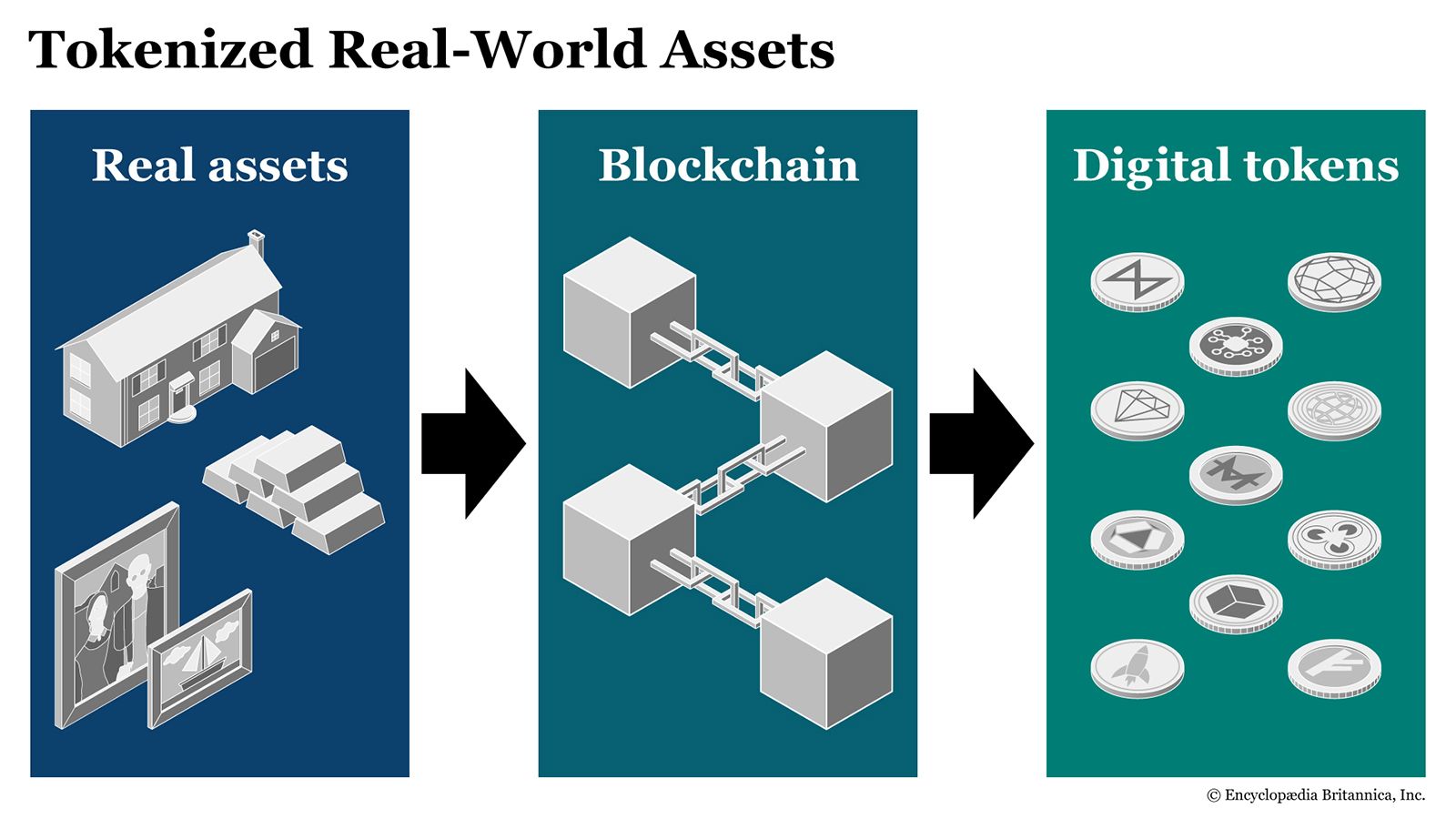
Tokenization fails if the digital token doesn't match the physical reality. You must integrate IoT sensors or trusted third-party oracles that verify inventory levels, quality, and location in real time. This data feeds the smart contract, ensuring that the token representing 1,000 barrels of oil actually corresponds to that specific inventory at that specific moment.
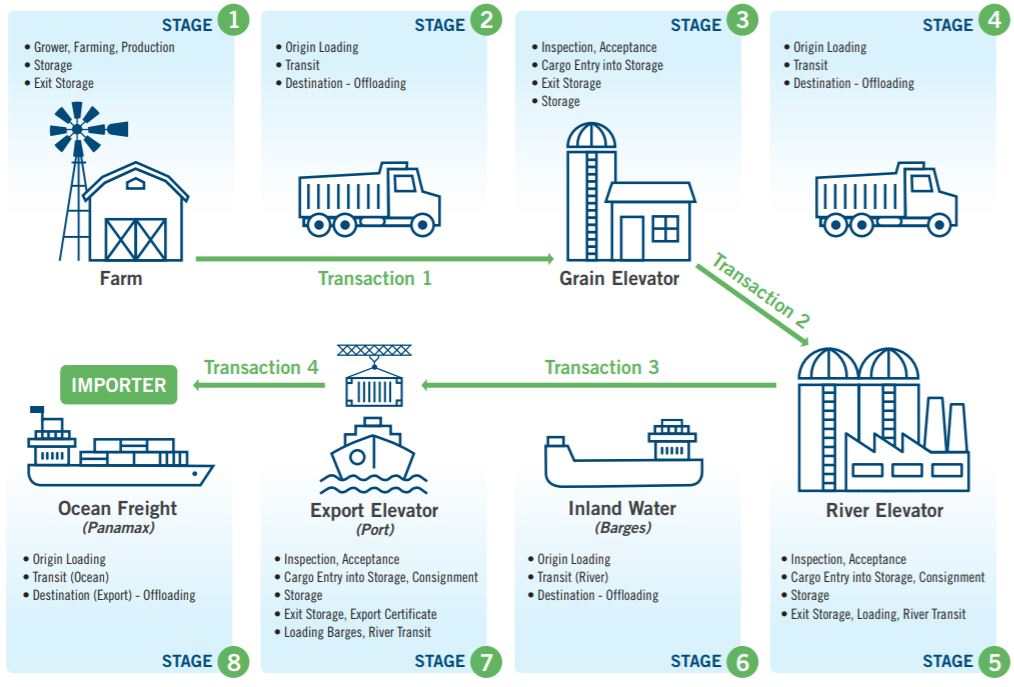
A tokenized asset is only valuable if it can be traded. Partner with regulated exchanges or decentralized liquidity pools that understand commodity-backed tokens. Without a clear path to secondary market liquidity, your tokenization effort becomes a closed-loop accounting exercise rather than a financial innovation.
Spotting Misleading Tokenization Claims
The March 2026 joint SEC-CFTC interpretation naming 16 digital commodities—Bitcoin, Ether, and Solana among them—has not cleared the path for every tokenized asset. As real-time tokenization gains traction in supply chain finance, vendors frequently conflate regulatory clarity with blanket approval. Understanding the specific boundaries of this ruling is essential to avoid costly compliance errors.
The 'Digital Commodity' Trap
The SEC and CFTC explicitly classified only 16 specific assets as digital commodities. This does not mean other tokenized goods, such as real estate or private equities, automatically fall under the same regulatory umbrella. Vendors claiming "full regulatory compliance" for all tokenized assets are often misrepresenting the scope of the joint interpretation. Always verify if the underlying asset is actually one of the named commodities or if it requires separate securities registration.
Prioritizing Fraud Over Innovation
Even with clear commodity status, enforcement priorities remain strict. The CFTC’s 2026 focus centers on "back-to-basics" enforcement against fraud and market manipulation. Tokenization platforms that promise automated compliance without robust anti-money laundering (AML) checks are operating on fragile ground. Regulators are actively deploying resources to target manipulative trading practices, regardless of the asset's tokenization status.
The Liquidity Illusion
Many supply chain finance tools tout "real-time liquidity" as a default feature. In practice, tokenized supply chain invoices often face significant illiquidity during market stress. Vendors rarely disclose the depth of secondary markets or the lock-up periods for tokenized receivables. Before integrating these tools, demand concrete data on redemption times and historical liquidity spreads.
No comments yet. Be the first to share your thoughts!