
Structural shifts driving 2026 prices
Commodity markets in 2026 are defined by a sharp divergence. Energy prices are cooling as supply stabilizes, while metal demand heats up due to structural transformations in the energy transition. This split creates a complex landscape for investors, requiring a nuanced view of top-down commodity returns.
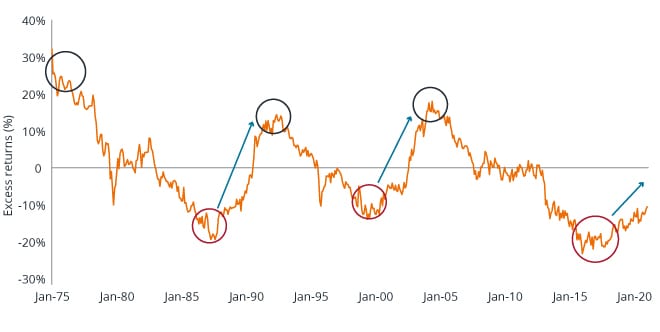
The energy sector is experiencing a relief valve. As production capacity catches up with demand, the pressure that drove prices higher in previous years is easing. This cooling trend contrasts with the industrial metals market, where the push for electrification and green infrastructure is creating sustained, structural demand. The "Commodity Control Cycle," a recurring pattern identified by Goldman Sachs, is already visible across these markets, signaling that supply-side discipline remains a key driver of volatility.
To understand the broader trend, it helps to look at the macro picture. A broad commodity index chart reveals the underlying momentum. While specific sectors may diverge, the overall trajectory reflects a market adjusting to new structural realities. The interplay between cooling energy and heating metal demand suggests that 2026 will be a year of selective opportunities rather than broad-based rallies.
Morgan Stanley’s outlook for 2026 highlights this optimism, noting that structural transformations are creating new engines of demand. For investors, this means focusing on assets that benefit from the energy transition, particularly metals essential for renewable energy technologies. The market is rewarding those who can distinguish between temporary price fluctuations and long-term structural shifts.
Copper and critical minerals face supply gaps
Copper has emerged as the primary beneficiary of the 2026 AI energy shift. The metal is experiencing a structural deficit driven by two simultaneous forces: the explosive power demands of AI data centers and the relentless expansion of green energy infrastructure. Unlike oil, which faces demand uncertainty, copper demand is accelerating with little regard for short-term economic cycles. Data centers require massive grid upgrades, and every electric vehicle and renewable energy installation consumes significantly more copper than its fossil-fuel predecessor.
The supply side is struggling to keep pace. New copper mines take a decade or more to bring online, and existing operations are facing declining ore grades. This creates a lag where demand spikes outstrip available supply for years. Major producers like Freeport-McMoRan and Glencore have repeatedly warned of tightening inventories, noting that current production levels are insufficient to meet the energy transition targets set by global governments.
This dynamic is reshaping the broader commodity landscape. While energy markets cool, metals heat up as the bottleneck for the AI revolution. Goldman Sachs and ING have both highlighted this divergence, noting that copper is effectively acting as the "oil of the AI age." The supply gap is not just a temporary fluctuation but a structural reality that will likely persist through 2026 and beyond, making copper a critical asset in the new energy economy.
Energy markets enter a supply-driven reset
The 2026 commodity landscape is defined by a sharp divergence: energy prices are cooling while metals heat up. According to ING’s 2026 outlook, this split reflects a broader structural shift where subdued global demand weighs heavily on fossil fuels, even as industrial metals face tighter supply constraints driven by the energy transition.
Oil and gas face a bearish near-term outlook. BrainWorks projects a fourth consecutive year of declining commodity prices, driven by weak demand growth in major economies. However, this baseline is fragile. The World Bank highlights that geopolitical shocks, particularly the conflict in the Middle East, pose a historic risk. A major disruption there would result in the largest oil supply loss on record, potentially reversing the bearish trend overnight.
Investors must navigate this volatility with live data. The chart below tracks the daily performance of crude oil, reflecting the tension between weak demand forecasts and the ever-present risk of supply shocks.
This dynamic creates a complex trading environment. The energy sector is no longer just a play on growth; it is a hedge against geopolitical instability. As metals continue to benefit from electrification demand, energy markets remain tethered to the unpredictable nature of global supply chains.
Precious metals as a safe-haven hedge
Gold and silver are shifting from passive portfolio anchors to active defensive tools in 2026. Geopolitical fragmentation and unpredictable monetary policy shifts are driving institutional demand for hard assets that operate outside the fiat credit system. This environment favors metals that offer both liquidity and intrinsic value, making them essential for capital preservation.
Live pricing reflects this heightened volatility. Investors should monitor real-time movements rather than relying on static historical averages, as intraday swings are becoming more pronounced during policy announcements.
Gold: The Monetary Anchor
Gold remains the primary hedge against currency debasement and systemic risk. With central banks continuing to diversify reserves away from the U.S. dollar, the structural bid for gold remains strong. The metal’s performance is less about industrial demand and more about its role as a store of value during periods of fiscal uncertainty.
Silver: The Volatile Hedge
Silver presents a dual-character asset, combining monetary safe-haven properties with industrial utility. While it often lags gold during early-stage market stress, it tends to outperform during sustained bull markets due to its lower liquidity and higher volatility. Recent market dynamics suggest that if industrial demand from green energy sectors aligns with safe-haven buying, silver could see significant upward pressure.
Price targets and investor: what to check next
A common question among investors is whether silver can reach $100 in 2026. While historically ambitious, this scenario is no longer purely theoretical. Analysts note that the convergence of supply deficits and monetary fear could create the conditions for such a move, though it requires a sustained shift in market sentiment. Gold targets are generally more conservative, focusing on steady appreciation rather than explosive growth.
The CME Group’s 2026 outlook highlights that precious metals are benefiting from a historic landscape where traditional correlations are breaking down. This disconnection allows gold and silver to act independently of broader equity market trends, offering true diversification benefits to a high-stakes portfolio.
Key questions for commodity investors
Investors are currently weighing the impact of the AI energy shift on metal supply chains. While copper and lithium face structural deficits, precious metals like silver are reacting to distinct monetary and industrial pressures. Below are answers to the most frequent questions regarding price targets and market volatility in 2026.
Live market data
Monitor real-time price action and technical indicators for key assets. These provider-backed widgets reflect current market conditions rather than stale static prices.
No comments yet. Be the first to share your thoughts!