Regulatory clarity drives adoption
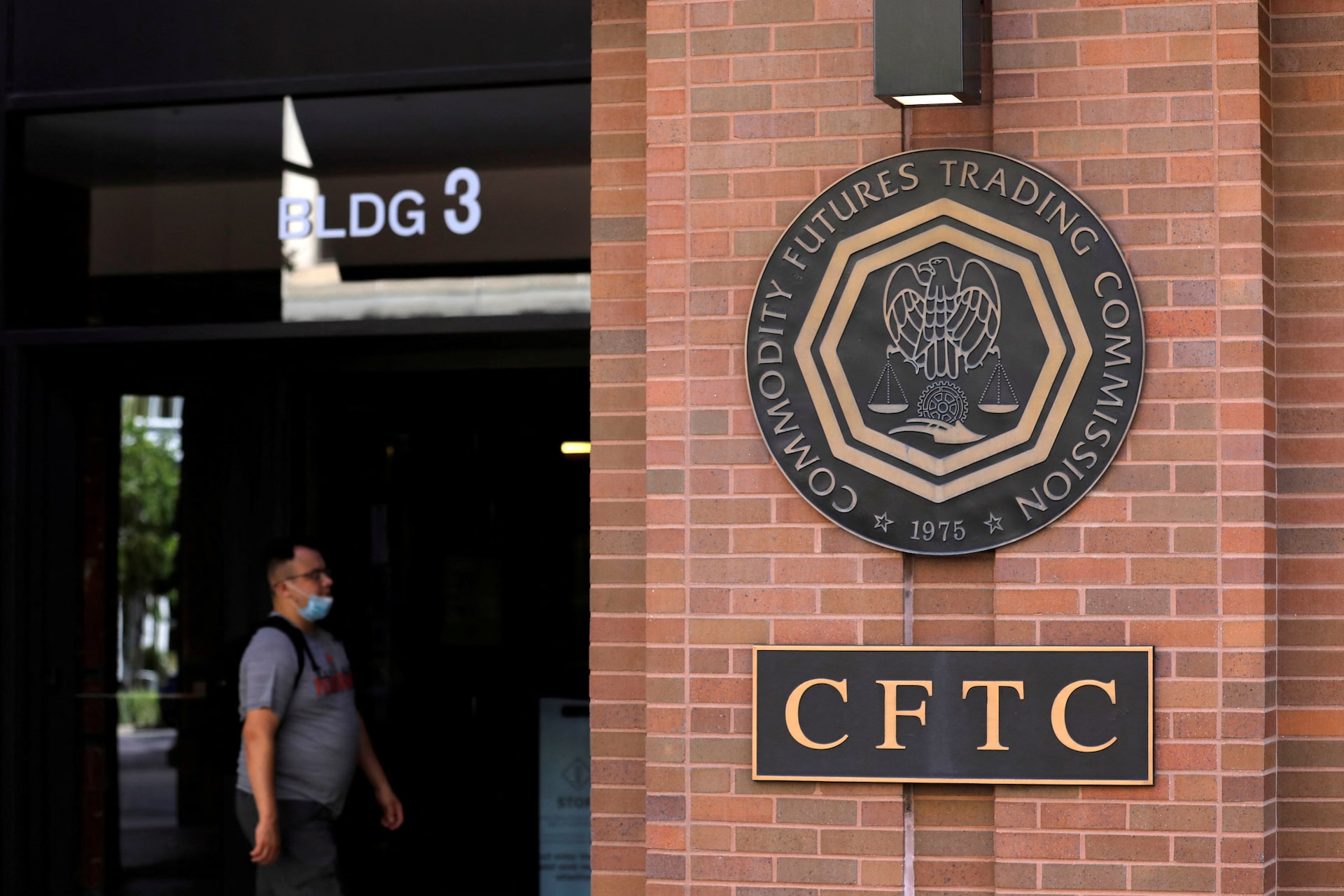
The regulatory landscape for commodity blockchain shifted fundamentally in March 2026, when the SEC and CFTC issued joint guidance clarifying the classification of digital assets. This interpretive framework categorizes Bitcoin, Ether, Solana, Cardano, Avalanche, and XRP as digital commodities under CFTC oversight. The ruling removes the previous ambiguity that had stalled institutional adoption, providing a legal foundation for real-time supply chain tracking on regulated ledgers.
This classification is not merely semantic; it dictates the operational mechanics of commodity blockchain integration. Under CFTC jurisdiction, digital commodities are subject to the Commodity Exchange Act, which mandates specific reporting standards and anti-manipulation safeguards. For supply chain applications, this means that tokenized physical assets—such as gold, oil, or agricultural products—can now be linked to digital proofs of ownership with a clear regulatory pathway. Institutions can deploy smart contracts that settle trades in real-time, knowing that the underlying digital tokens are recognized as valid commodity instruments.
The practical impact is immediate visibility into asset provenance. Previously, blockchain tracking was often treated as a novelty or a speculative side-hustle. Now, with regulatory clarity, major commodity exchanges and logistics providers are integrating blockchain-based ledgers to track physical goods from origin to delivery. This integration ensures that every transaction is recorded on an immutable ledger, accessible to auditors and regulators alike. The result is a supply chain that is not just efficient, but legally defensible.
How real-time ledger tracking works
Real-time supply chain tracking relies on anchoring physical commodity movements to immutable digital records. The process begins when a physical asset—such as crude oil, gold, or agricultural goods—undergoes a state change. Sensors, IoT devices, or authorized personnel capture this event and transmit the data to a decentralized ledger. This creates a cryptographic proof of existence, location, and ownership that cannot be altered retroactively.
The mechanism follows a strict sequence to ensure auditability and compliance with financial regulations. Each step is verified before the next is committed to the chain, creating a transparent history from origin to end-user.
Sensors or IoT gateways record critical parameters such as weight, temperature, GPS location, or purity levels. This data is hashed to create a unique digital fingerprint. The hash is timestamped and signed by the device or operator, establishing a trusted point of origin for the commodity's journey.
The hashed data is packaged into a transaction and broadcast to the blockchain network. Validators or consensus nodes verify the digital signature and check for data anomalies. This step ensures that only authorized and valid state changes are considered for inclusion in the ledger, preventing fraudulent entries.
Once consensus is reached, the transaction is permanently recorded in a new block. This block is cryptographically linked to the previous one, forming an immutable chain. The timestamp and hash of the previous block are included, making any attempt to alter historical records computationally infeasible.
This ledger structure provides a single source of truth for all stakeholders. Unlike traditional databases, no single entity controls the record, reducing the risk of manipulation or data loss. The immutability of the chain ensures that audit trails remain intact for regulatory review and financial reconciliation.
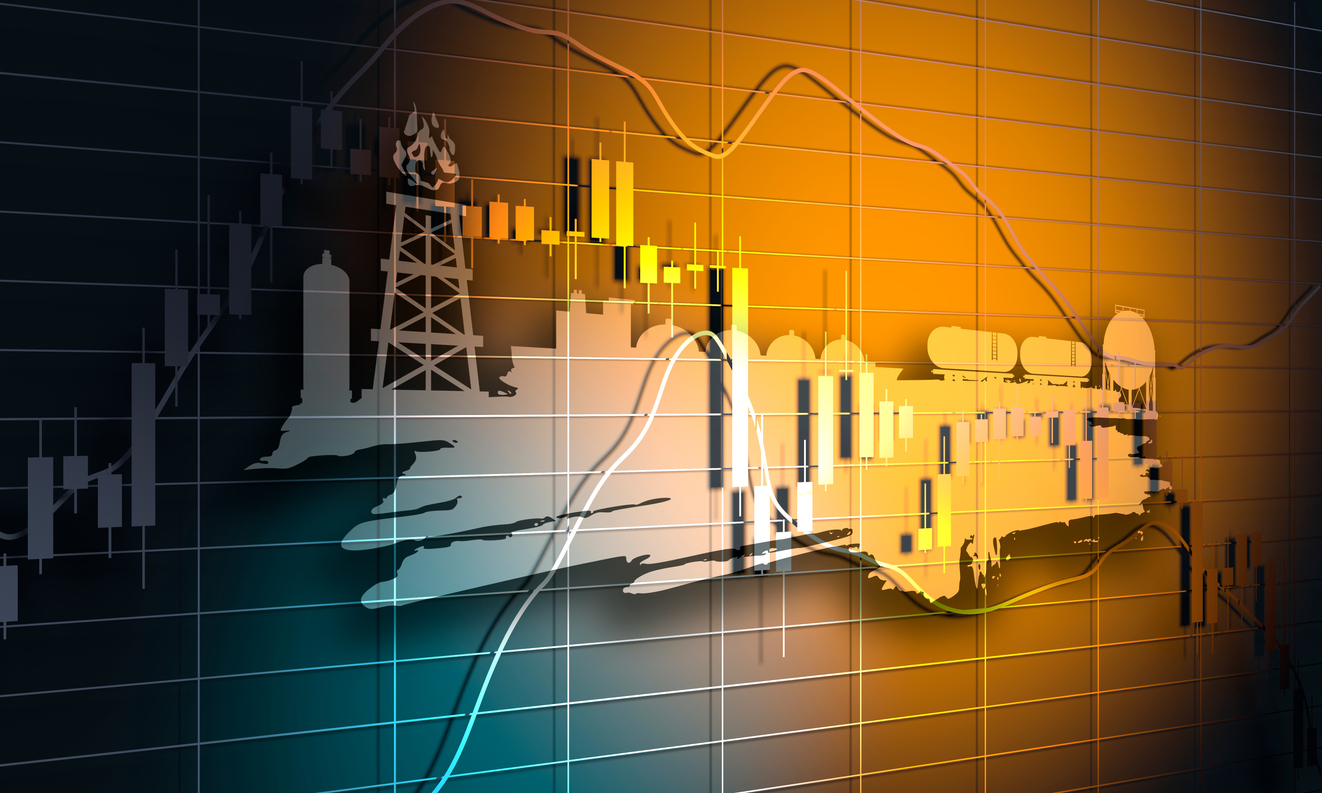
The correlation between physical commodity prices and their digital representations is monitored in real-time. As shown in the chart above, market volatility in physical assets like gold directly impacts the value of tokenized equivalents. This linkage underscores the importance of accurate, real-time data capture in maintaining market stability and trust.
Comparing tokenization models
Commodity tokenization splits into two distinct approaches: fully backed physical tokens and synthetic derivatives. The choice between them dictates how transparency is maintained and which regulatory frameworks apply. Physical tokens represent direct ownership of a tangible asset, while synthetic tokens track the price of a commodity through financial contracts without holding the underlying good.
Physical-backed tokens
These tokens are minted against verified reserves of gold, oil, or other commodities held in secure vaults. Each token corresponds to a specific quantity of the asset, allowing for redemption or delivery. This model offers high transparency because the backing is auditable, but it requires strict custody solutions and compliance with securities laws that govern physical asset transfers. The regulatory risk is lower regarding fraud, but higher regarding cross-border custody rules.
Synthetic crypto-commodity futures
Synthetic models use USDT-margined perpetual futures to track commodity prices, as seen on platforms like BingX. Traders gain exposure to gold, silver, or oil without ever touching the physical metal. This approach offers high liquidity and leverage but introduces counterparty risk. The primary regulatory concern here is not custody, but whether these derivatives are classified as securities or commodities by agencies like the CFTC.
Comparison of models
The table below contrasts the operational and regulatory differences between these two tokenization strategies.
| Model | Backing | Regulatory Focus | Liquidity | Physical Delivery |
|---|---|---|---|---|
| Physical-Backed | Audited vault reserves | Securities & custody law | Moderate | Yes |
| Synthetic Futures | Margin contracts | Derivatives classification | High | No |
Integrating Live Price Feeds
Smart contracts cannot rely on static data for commodity transactions. When a shipment of gold or crude oil changes hands, the tokenized value must reflect the exact market price at the moment of transfer. To achieve this, developers integrate live price feeds directly into the contract logic, ensuring that the digital representation of the asset matches its physical counterpart in real time.
The most common method involves using decentralized oracle networks, such as Chainlink, which aggregate data from multiple off-chain sources. These oracles fetch prices from regulated exchanges and traditional financial data providers, then submit them to the blockchain at regular intervals. This approach prevents a single point of failure and protects against price manipulation or stale data that could otherwise trigger incorrect contract executions.
For audit compliance, the price source must be verifiable and official. Relying on unverified or low-liquidity sources introduces significant risk, especially in high-stakes supply chain finance. Contracts should be designed to pull data from provider-backed widgets or established oracle feeds that maintain a transparent history of price updates.
Below is the current market price for a representative commodity asset, demonstrating how live data can be embedded into a transactional interface.
Key questions on commodity blockchain
Regulatory clarity and industry gatherings define the trajectory for digital assets in 2026. Recent joint guidance from the SEC and CFTC has established a clearer framework for classifying major tokens as commodities, reducing ambiguity for institutional participants. This section addresses frequent inquiries regarding asset status and upcoming events that shape the commodity blockchain landscape.
Is XRP now considered a commodity?
Yes. The recent joint guidance from the SEC and CFTC explicitly classifies XRP as a digital commodity. This classification aligns XRP with other major assets like Bitcoin, Ether, and Solana, providing a definitive regulatory status that distinguishes it from securities in many contexts. This clarity supports its integration into regulated commodity trading platforms and supply chain financing instruments.
What blockchain events are expected to take place in 2026?
Two major conferences are central to the 2026 blockchain calendar. The Science of Blockchain Conference (SBC'26) runs from July 27-29, 2026, focusing on technical innovations and research. Simultaneously, Commodity Trading Week Americas brings together trading, risk, and supply chain leaders to explore trends in agriculture, metals, and digital commodities across the region.
What commodities conferences are scheduled to be held in 2026?
Beyond the blockchain-specific events, general commodities conferences are integrating digital asset tracks. Commodity Trading Week Americas serves as a primary hub for cross-asset analysis. These events are critical for understanding how traditional commodity supply chains are adopting blockchain technology for real-time tracking and settlement.
What crypto will skyrocket in 2026?
Predicting specific price movements is speculative and not supported by regulatory guidance. However, assets classified as commodities under the new SEC/CFTC framework, such as XRP and Bitcoin, are positioned for institutional adoption. Market performance will likely depend on broader macroeconomic factors and the speed of regulatory implementation rather than isolated hype.
No comments yet. Be the first to share your thoughts!