
What to expect from 2026 commodity trends
The 2026 commodity market is defined by a sharp divergence between energy and critical metals. While broad commodity prices are projected to decline by roughly 7 percent overall, the underlying drivers for copper and lithium remain structurally bullish. This split creates a complex environment where traditional macroeconomic signals often conflict with sector-specific supply constraints.
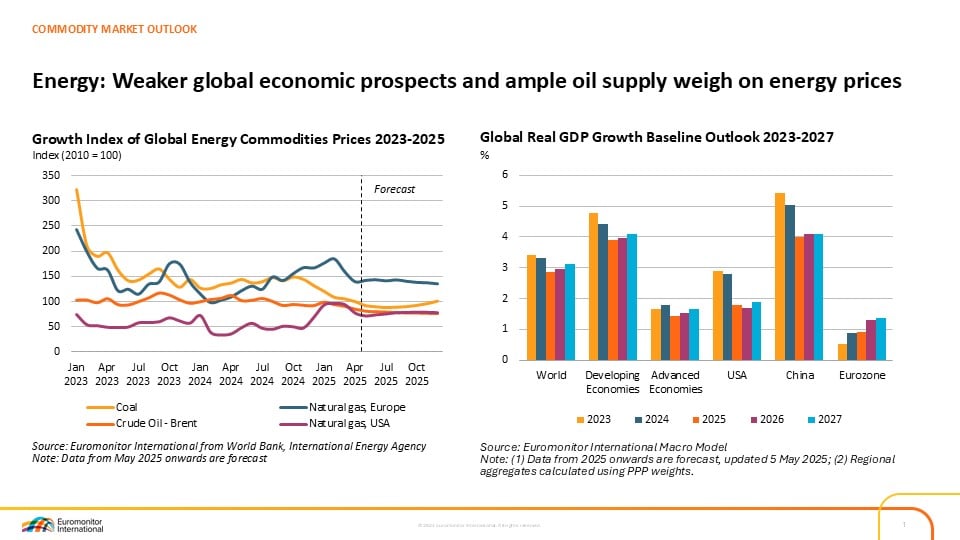
Energy markets are facing a supply glut that is weighing heavily on prices. Forecasts indicate that energy prices could fall by 10 percent in 2026 as oil and gas supplies remain abundant. This oversupply acts as a drag on the broader commodity index, masking the tighter physical markets for industrial metals. For investors, this means that a broad "commodity boom" narrative is unlikely; instead, opportunities are highly concentrated in specific niches.
In contrast, the outlook for copper and lithium remains optimistic despite the broader market softness. Morgan Stanley highlights that trends driving optimism in 2026 are largely tied to the electrification of the global economy. AI-driven supply chains are beginning to mitigate some logistical bottlenecks, but they cannot instantly create new mines. The gap between rising demand for green infrastructure and the lag in supply expansion keeps prices elevated for these specific assets, even as energy costs moderate.
The key takeaway for 2026 is specificity. Broad commodity indices will likely underperform due to energy headwinds, but targeted exposure to metals essential for the energy transition offers a clearer path. Understanding this divergence is critical for positioning portfolios in a year where not all commodities move in lockstep.
2026 commodity trends choices that change the plan
The 2026 commodity outlook presents a sharp divergence between energy and industrial metals. While Morgan Stanley projects broad optimism driven by supply constraints in critical minerals, the World Bank forecasts a general 7 percent decline in global commodity prices, with energy prices falling even faster at 10 percent. This contrast defines the core tradeoff: structural scarcity in transition metals versus cyclical oversupply in fossil fuels.
Investors must weigh the resilience of copper and lithium against the volatility of oil and gas. Industrial metals are benefiting from AI-driven supply chain demands and electrification mandates, creating a supportive floor for prices. Conversely, energy markets face abundant supply, which pressures margins despite steady demand. The shifting U.S. dollar further complicates this landscape, as a stronger dollar typically weighs on dollar-denominated commodities, particularly precious metals and livestock.
To navigate these conflicting signals, we compare the primary assets driving the 2026 narrative. This side-by-side breakdown highlights the divergent risks and opportunities facing capital allocators.
| Asset Class | 2026 Outlook | Primary Driver | Key Risk |
|---|---|---|---|
The data suggests that industrial metals offer a clearer path for growth, supported by tangible demand from the energy transition. Technical analysis of copper often reveals strong support levels during market corrections, making it a focal point for long-term positions. Understanding these technical baselines helps investors avoid buying into temporary spikes.
Energy, while currently facing headwinds, remains essential for global stability. The predicted 10 percent drop in energy prices may present buying opportunities for contrarian investors, but the risk of geopolitical supply shocks remains a constant wildcard. Diversification across these divergent trends is the most prudent strategy for 2026.
Build a 2026 Commodity Decision Framework
Navigating 2026 requires separating structural demand from cyclical noise. Morgan Stanley identifies optimism driven by energy abundance and specific metal shortages, while the World Bank projects a broader 7 percent decline in global commodity prices. This divergence defines the core challenge: identifying which assets benefit from AI-driven supply chain efficiency and which suffer from macroeconomic headwinds.
AI integration is reshaping logistics and extraction, particularly for copper and lithium. These metals are not just raw materials; they are the nervous system of modern infrastructure. Investors must evaluate how digital supply chains reduce waste and increase yield, creating a competitive moat for producers who adopt these technologies early.
Use this framework to stress-test your positions. Focus on the intersection of policy support, technological adoption, and supply constraints. The following steps outline how to apply these filters to your portfolio.
Prioritize commodities where AI directly reduces extraction or transport costs. Copper and lithium benefit from predictive maintenance and automated logistics. These efficiencies protect margins even if broader market prices soften. Look for producers with documented digital infrastructure investments.
The World Bank’s 7 percent price decline forecast suggests caution for broad exposure. However, green energy policies create localized demand spikes. Evaluate whether a commodity’s demand is driven by general economic activity or specific regulatory mandates. Regulatory demand often provides a floor against broader market declines.
Energy prices are projected to fall 10 percent in 2026. Reduce exposure to pure-play energy commodities unless they offer unique value. Instead, look for energy-intensive producers who are hedging against volatility through long-term contracts or vertical integration. Their stability becomes an asset in a falling price environment.
Avoid the weak options
Use this section to make the Commodity Market Outlook decision easier to compare in real life, not just on paper. Start with the reader's actual constraint, then separate must-have requirements from details that are merely nice to have. A practical choice should survive normal use, maintenance, timing, and budget. If a recommendation only works in an ideal situation, call that out plainly and give the reader a fallback path.
The simplest way to use this section is to write down the must-have criteria first, then compare each option against those criteria before weighing nice-to-have features.
2026 commodity trends: what to check next
The 2026 commodity landscape is defined by a divergence between energy and industrial metals. While energy prices are projected to fall by roughly 10 percent, industrial metals like copper and lithium are benefiting from AI-driven supply chain efficiency and electrification demand. Understanding these specific shifts helps investors plan around the broader market optimism.
Which commodities will boom in 2026?
Industrial metals are the primary beneficiaries of the 2026 outlook. Copper and lithium are expected to outperform as AI infrastructure and electric vehicle production scale. According to Bloomberg’s 2026 Commodities Outlook, industrial metals are set to outpace precious metals, driven by supply constraints and heightened demand for transition metals. Energy trading houses are also shifting focus toward these transition metals, further supporting price momentum.
What are the predictions for the commodity market in 2026?
Global commodity prices are generally projected to decline by about 7 percent in 2026, with energy prices falling by 10 percent, as noted by the World Bank. However, this broad decline masks significant sector-specific growth. Morgan Stanley reports increasing optimism for metals, while the U.S. dollar’s shifting trajectory is creating unique opportunities in precious metals and livestock. The market is not uniform; it is a mix of falling energy costs and rising industrial demand.
What are the best commodities to invest in in 2026?
Diversification remains the prudent strategy. Industrial metals like copper offer growth tied to electrification, while precious metals provide a hedge against currency fluctuations. The World Bank’s analysis suggests that while energy may be cheaper, the efficiency gains from AI-driven supply chains are creating new value chains in metals. Investors should look beyond broad indices and focus on assets with structural supply deficits, particularly in the mining sector.
What does Warren Buffett say about commodities?
Warren Buffett has historically viewed commodities as unproductive assets that do not generate cash flow, preferring businesses with pricing power. However, his recent investments in energy infrastructure and railroads reflect a nuanced approach to resource logistics. Buffett’s stance highlights the difference between holding raw materials and investing in the companies that move them. In 2026, this distinction is critical as AI optimizes the logistics of commodity transport and storage.
No comments yet. Be the first to share your thoughts!