
The 2026 commodity landscape shifts
The 2026 commodity block is defined by a decisive break from 2025. While precious metals dominated the previous year due to central bank buying and safe-haven demand, the current market is driven by broader, more volatile forces. Supply disruptions, shifting currency dynamics, and divergent sector performance are reshaping global trade flows.
The U.S. dollar’s movement remains a primary lever. A strengthening dollar typically pressures commodity prices, yet 2026 shows resilience in key sectors like livestock and industrial metals. This divergence suggests that supply-side constraints are now outweighing currency headwinds in specific markets. According to CME Group’s OpenMarkets, these factors are creating a historic landscape where traditional correlations are breaking down.
Investors and traders must look beyond the broad indices. The 2026 commodity block is not a monolith; it is a collection of distinct, often opposing, narratives. Energy markets face geopolitical friction, while agricultural commodities react to climate volatility. Understanding these micro-shifts is essential for navigating the heightened volatility of the current cycle.
Precious metals hold steady value
Gold, silver, and platinum are anchoring the commodity block 2026 landscape with renewed strength. After years of underperformance, bullish fundamentals are finally driving investor attention back to these assets. UBS projects gold prices to rally toward $5,000 per ounce by March 2026, stabilizing through September before easing slightly to $4,800 by year-end. This trajectory suggests a floor of stability rather than speculative volatility.
Central bank buying serves as the primary stability anchor for this rally. Official sector accumulation reduces available supply, creating a buffer against market shocks. Silver and platinum, which toiled in relative obscurity, are now benefiting from this renewed interest in precious metals. The market is correcting a long-term undervaluation, offering a tangible hedge in an uncertain economic environment.
Industrial Metals Face Supply Gaps
The commodity block 2026 is being defined by a stark contrast between robust demand and constrained supply. While macroeconomic headwinds loom, industrial metals are bucking the trend due to physical shortages that have persisted since 2025. Mine disruptions and smelter bottlenecks have created a tight market for copper, aluminum, and iron ore, driving prices higher despite broader economic uncertainty.
Copper leads this charge. As Deutsche Bank notes in their 2026 commodities outlook, mine supply in 2025 was heavily disrupted, setting the stage for a strong start to 2026. This supply shock is not temporary; it reflects a structural deficit in new project development that will take years to resolve. The resulting scarcity is supporting premium pricing for refined copper, a critical input for electrification and infrastructure.
Aluminum and iron ore are following a similar trajectory. Aluminum prices are rising as energy costs and production curtails in key regions limit output. Iron ore remains resilient, supported by steady demand from steelmakers who are scrambling to secure long-term contracts amid volatile spot markets. These physical constraints are providing a floor for prices, even as investors weigh the impact of potential rate cuts.
Goldman Sachs’ 2026 outlook suggests that sturdy global GDP growth and anticipated Federal Reserve rate cuts will further support commodity returns. However, the primary driver remains the supply side. The market is not just reacting to economic cycles; it is pricing in the reality of limited physical availability. This dynamic creates a favorable environment for holders of industrial metal assets, reinforcing the importance of the commodity block 2026 in global trade strategies.

AI and blockchain reshape trade flows
The commodity block 2026 is not just a collection of raw materials; it is a digitally integrated network where technology dictates speed and trust. Artificial intelligence and blockchain are no longer experimental tools but the foundational infrastructure for global trade, reducing friction in markets that were previously opaque and slow.
AI optimizes logistics
AI-driven logistics solve the complex routing problems that plague global supply chains. Machine learning algorithms analyze weather patterns, port congestion, and geopolitical risks in real-time to adjust shipping routes instantly. This dynamic optimization reduces fuel consumption and delivery times, ensuring that commodities move efficiently from source to market.
Blockchain ensures transparency
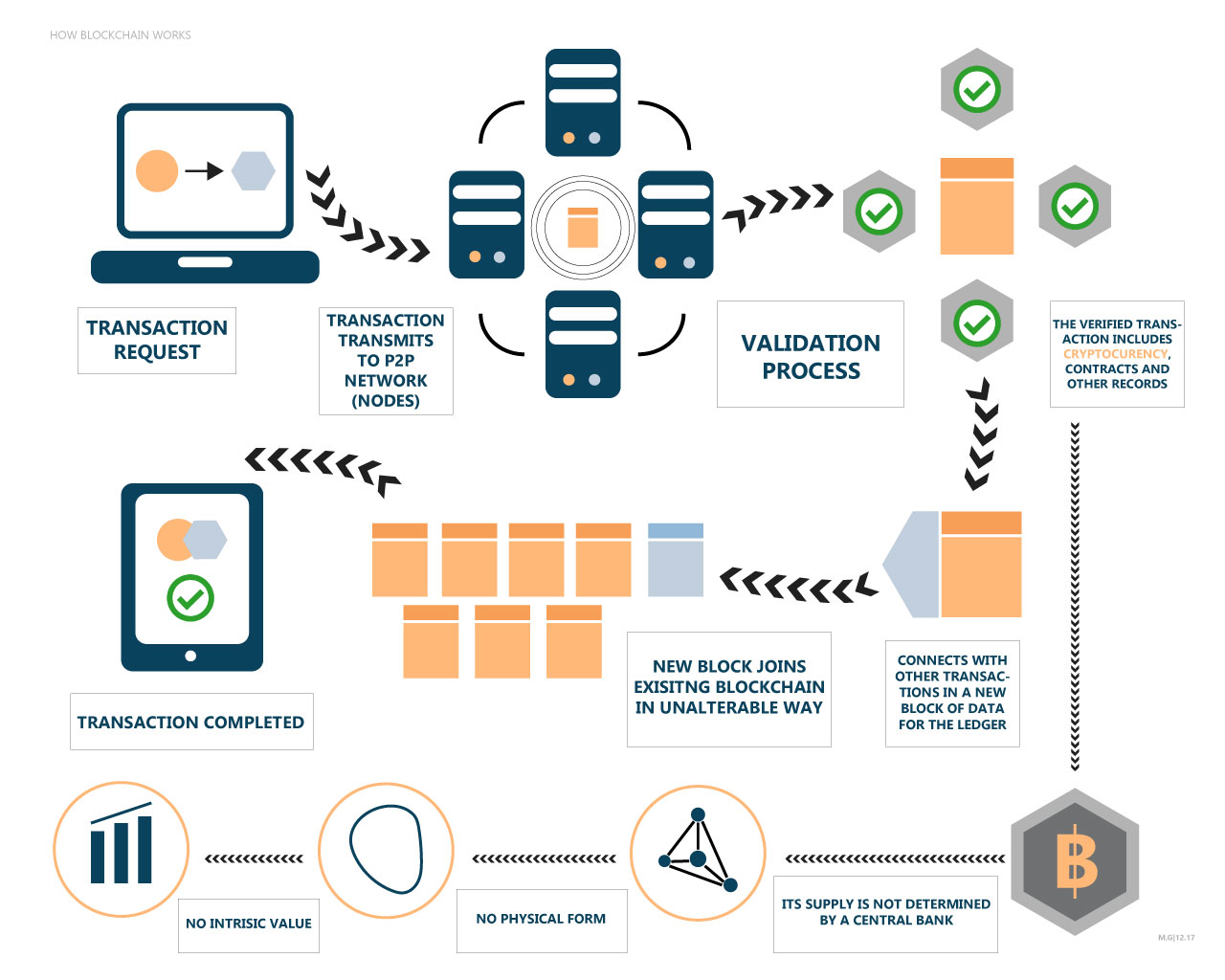
Blockchain provides an immutable ledger for every transaction, verifying the origin and authenticity of commodities. This transparency reduces fraud and ensures compliance with sustainability standards. By creating a single source of truth, blockchain builds trust among buyers, sellers, and regulators, making the commodity block 2026 a more reliable and secure ecosystem.
Energy markets navigate volatility
Energy prices in the commodity block 2026 remain tethered to geopolitical friction and shifting demand patterns. Crude oil and natural gas are not just commodities; they are the pulse of global trade, reacting instantly to supply disruptions and economic slowdowns. The market is balancing sturdy global GDP growth against the risk of sudden shocks, creating a volatile landscape for traders and industries alike.
Goldman Sachs outlines a cyclical macro base case where steady growth and anticipated Fed rate cuts support commodity returns. However, this optimism is tempered by the reality of energy shocks. Marex notes that volatility is reshaping metals and energy markets, forcing participants to hedge against unpredictable geopolitical events. The interplay between policy and physical supply creates price swings that define the current trading environment.

The 2026 outlook requires navigating these waves with precision. As energy infrastructure adapts to new demands, the traditional models of stability are being replaced by dynamic risk assessments. Traders must watch not just inventory levels, but the broader political currents that dictate flow and access.
Key questions on commodity trading
Navigating the commodity block 2026 requires understanding how macro shifts reshape risk. The CME Group notes that precious metals, livestock, and a shifting U.S. dollar are creating a historic landscape for traders this year.
UBS projects gold to rally toward USD 5,000/oz by March before easing to USD 4,800/oz by year-end. Meanwhile, Deutsche Bank highlights that copper prices have surged due to 2025 mine supply disruptions.
No comments yet. Be the first to share your thoughts!