
What is a commodity block trade
A commodity block trade is a privately negotiated transaction for a large quantity of futures, options, or swaps, executed outside the public auction market. Think of it as a backroom deal in a room full of shouting traders: instead of adding to the visible order book and driving up the price through competition, two large institutions agree on a price and quantity in private, then report the trade to the exchange afterward.
This mechanism exists to handle the sheer scale of institutional capital. When a pension fund, hedge fund, or physical commodity producer needs to move tens of thousands of contracts, doing so on the open floor would cause massive price slippage. By executing privately, these players minimize market impact, ensuring their large orders don't signal their intent to the rest of the market before the trade is complete.
The defining feature of a block trade is its size relative to the standard trading unit. While a retail trader might buy one or two contracts, a block trade involves quantities that far exceed the typical open interest or daily volume for that specific contract month. Because of this size, exchanges like CME Group set minimum size thresholds for what qualifies as a block, allowing these trades to be reported with a slight delay to maintain market integrity while still providing liquidity.
How block trades execute on exchanges
Block trades allow institutions to move large volumes of futures and options without disrupting the public order book. Instead of flooding the open market with massive sell or buy orders, traders negotiate terms privately and then report the transaction to the exchange for clearing. This process preserves market stability while ensuring the trade is recorded and settled under regulatory oversight.
1. Private negotiation of terms
The process begins off-exchange, where two parties agree on the quantity, price, and contract month. Because these transactions involve significant volume, they are often arranged through brokers or electronic communication networks rather than open outcry. The negotiated price may differ from the current market quote, reflecting the liquidity needs and timing preferences of the counterparties.
2. Exchange approval and reporting
Once terms are set, the trade must be reported to the relevant exchange, such as the CME Group or ICE, within a strict timeframe. For agricultural products, the CME requires prompt reporting to ensure transparency. The exchange verifies that the trade meets specific criteria, such as minimum size thresholds, before allowing it to be cleared. This step bridges private negotiation with public market integrity.
3. Price discovery and market impact
After reporting, the block trade becomes part of the public record, influencing price discovery. While the initial negotiation was private, the eventual publication of the trade volume and price informs other market participants. This delayed transparency helps prevent sudden shocks to the market, as other traders can assess the new supply or demand dynamics without facing an immediate, large-scale order flow.

Institutions agree on price and volume off-exchange to avoid market disruption.
Traders submit the deal to CME or ICE within regulatory time limits for verification.

The exchange clears the contract, ensuring both parties meet margin and settlement requirements.
Block size thresholds and reporting timelines
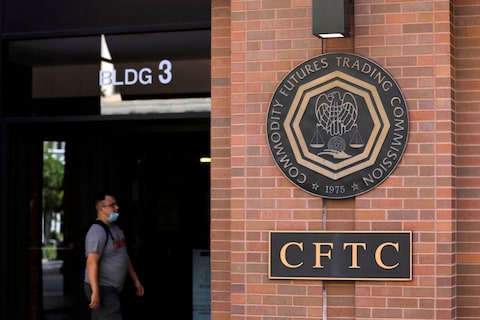
Regulatory oversight of commodity block trades hinges on two mechanics: defining what qualifies as a "block" and ensuring that trade data hits the public record quickly. The Commodity Futures Trading Commission (CFTC) and designated contract markets (DCMs) set these parameters to prevent market disruption while maintaining transparency.
Minimum block sizes
The CFTC establishes the minimum block size for swap transactions based on specific swap categories under 17 CFR § 43.6. For futures and options, DCMs set these thresholds, which vary by asset class. In agricultural commodities, block trades represent a tiny fraction of total volume—often less than one percent of the market share—demonstrating that these trades are significant enough to warrant separate reporting but do not dominate daily liquidity.
Reporting timelines
Off-facility swaps and futures must be reported to a Swap Data Repository (SDR) or designated clearing organization. For swaps, the standard reporting timeline is typically within one business day of execution. This rapid disclosure ensures that market participants have access to timely data, allowing regulators to monitor systemic risk and market integrity effectively.
Market Impact and Liquidity in 2026
Block trades represent a significant portion of institutional activity, yet their footprint on the broader market requires careful analysis. While these large-volume transactions allow institutions to move capital efficiently, they introduce distinct challenges regarding market depth and price stability. In 2026, the balance between institutional efficiency and retail transparency remains a critical focus for regulators and exchanges alike.
How Block Trades Differ from Standard Trading
Unlike standard open outcry or electronic futures trading, block trades are executed off-exchange or via dark pools to minimize immediate market disruption. This structural difference means that while the execution speed for the initiating party is high, the transparency to the broader market is delayed. Consequently, the price impact on the visible order book is significantly lower than if the same volume were traded through standard channels.
The table below compares the operational mechanics of standard trading versus block trades, highlighting why institutions prefer the latter for large positions.
| Metric | Standard Open Outcry/Electronic | Block Trade |
|---|---|---|
| Price Impact | High immediate impact on visible order book | Minimized; executed off-exchange or via dark pools |
| Execution Speed | Fast, but limited by available liquidity at best price | Can be large, but negotiated privately before reporting |
| Transparency | Real-time price discovery and volume data | Delayed reporting; initial trade details not immediately public |
Balancing Efficiency and Transparency
The primary tension in block trading is between the need for efficient capital deployment and the obligation to maintain fair markets. If block trades were executed openly, the sheer volume could cause significant price slippage, hurting both the buyer and the seller. However, the lack of immediate transparency can create information asymmetry, potentially disadvantaging smaller retail participants who rely on public order flow data.
Regulators continue to refine reporting requirements to ensure that while execution remains efficient, the market retains sufficient visibility to prevent manipulation. In 2026, the trend points toward more stringent post-trade reporting standards, aiming to provide retail investors with a clearer picture of institutional activity without compromising the liquidity benefits that block trades provide.
Common questions about block trading
Understanding how block trades function in commodity markets helps clarify why large institutions use these private channels. Below are answers to frequent questions about commodity categories and trade mechanics.
What are the four categories of commodities?
Commodities generally fall into four main groups: metals (like gold and copper), energy (such as crude oil and natural gas), livestock (including cattle and hogs), and agricultural products (such as corn and wheat). This classification helps traders manage risk across different economic cycles.
What is a block trade?
A block trade is a private transaction involving a large quantity of securities, options, or futures. These trades typically occur outside the public market to prevent significant price disruption that would result from executing such a large order on a public exchange.
Can block trades involve multiple commodities?
Yes. Inter-commodity and intra-commodity combination block trades are permitted on exchanges like ICE Futures U.S. where the underlying option contracts are eligible for block execution. This allows complex hedging strategies across related asset classes.
No comments yet. Be the first to share your thoughts!